


Double click image to enlarge
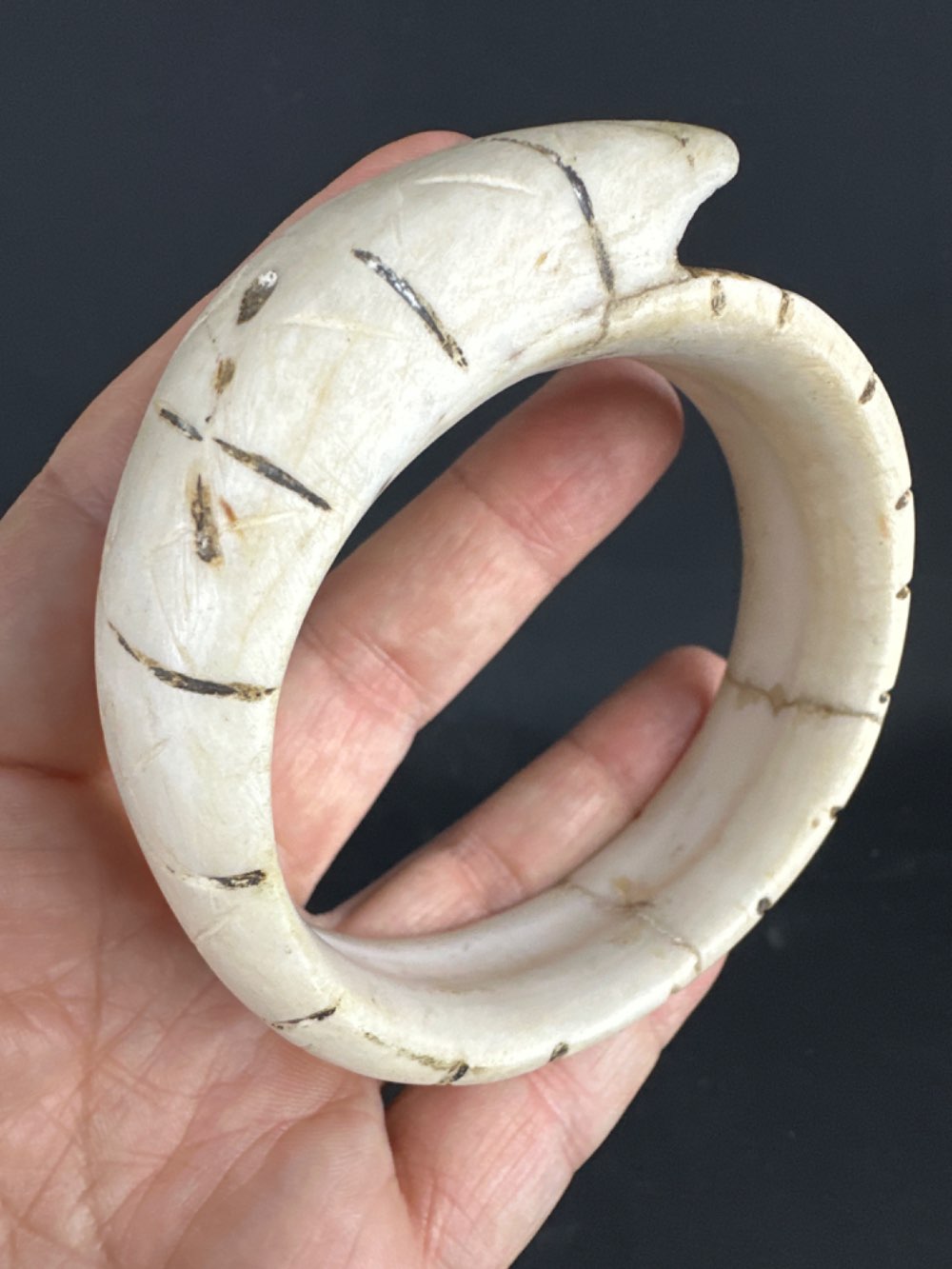
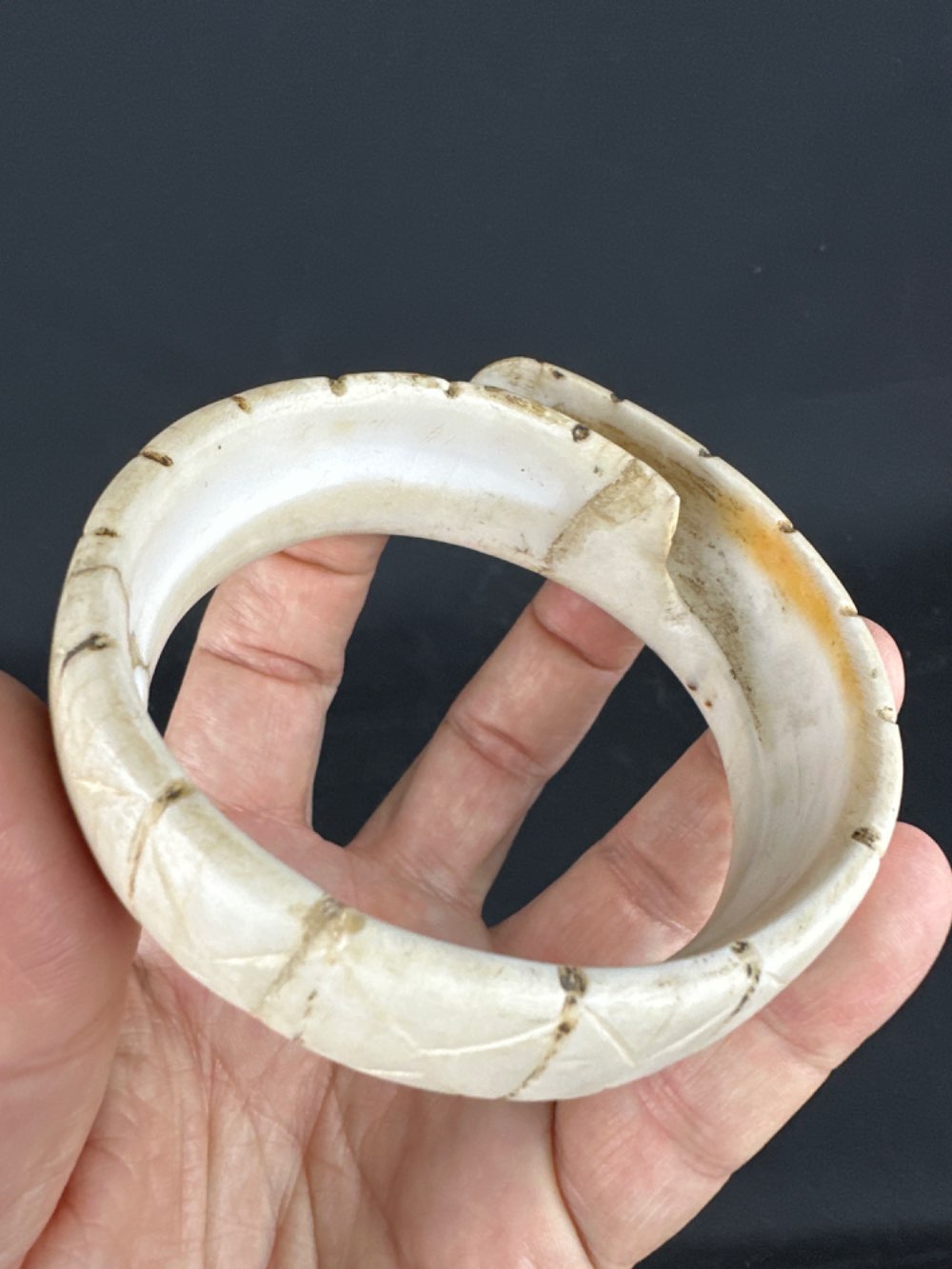
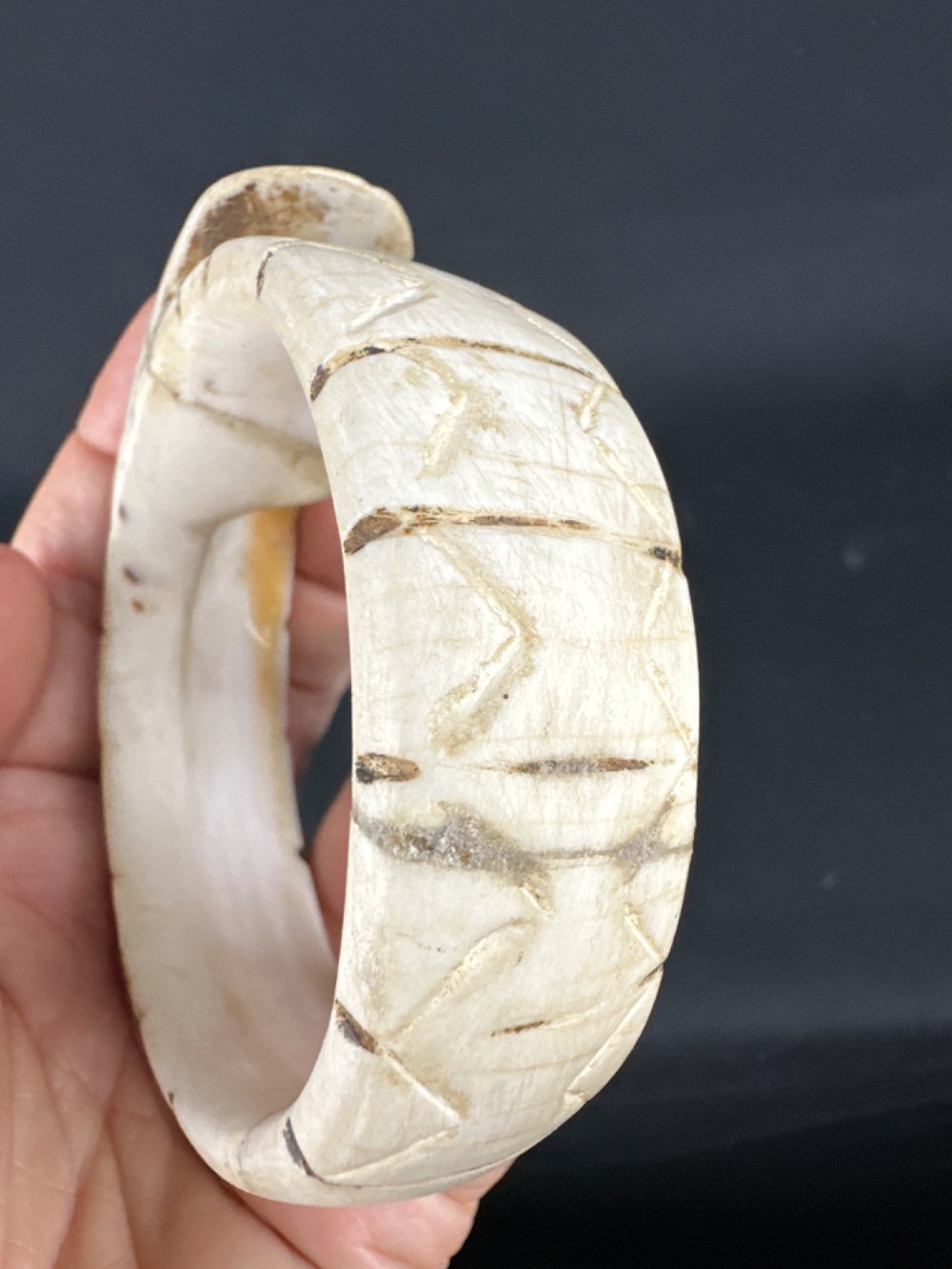
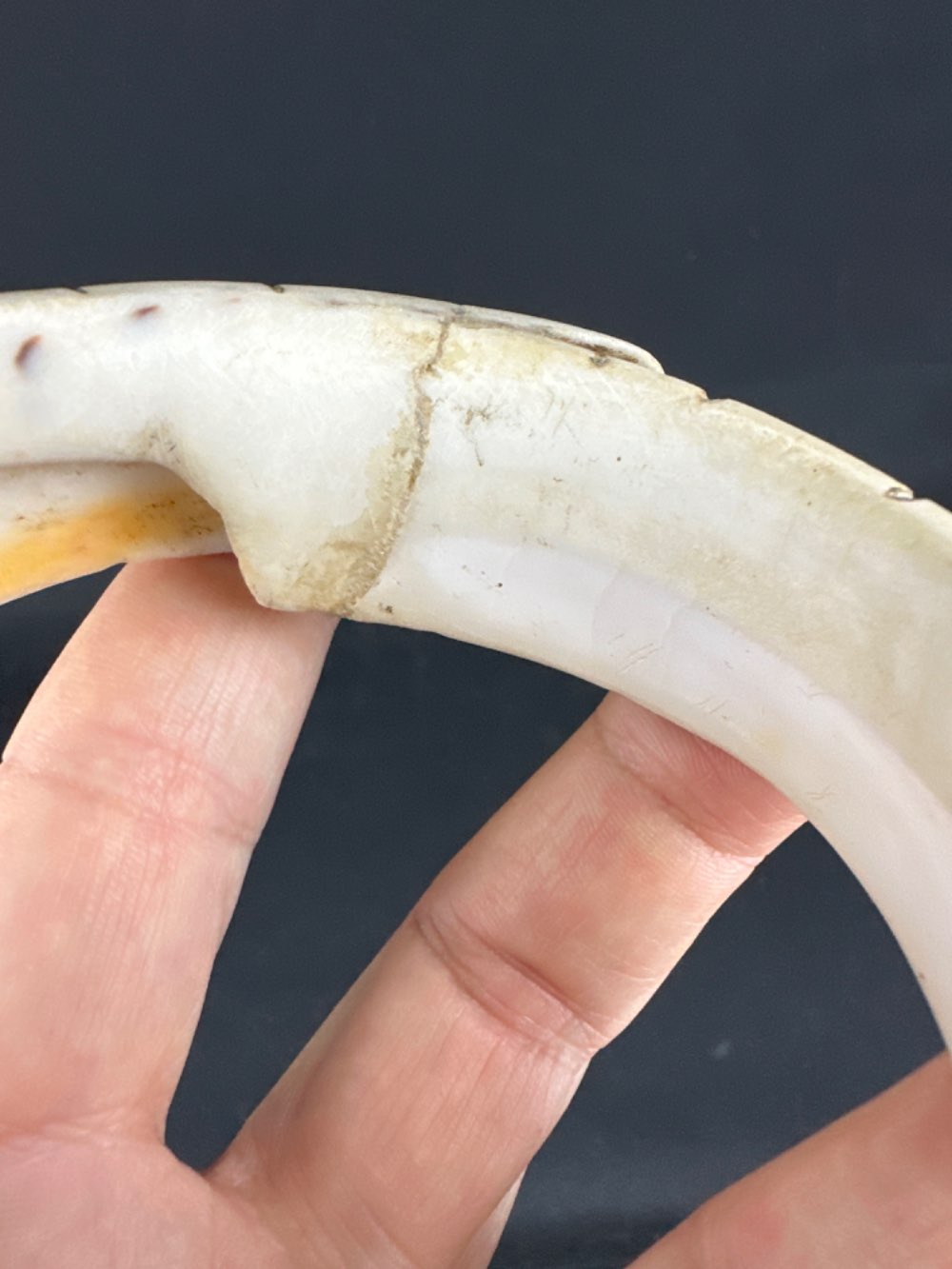
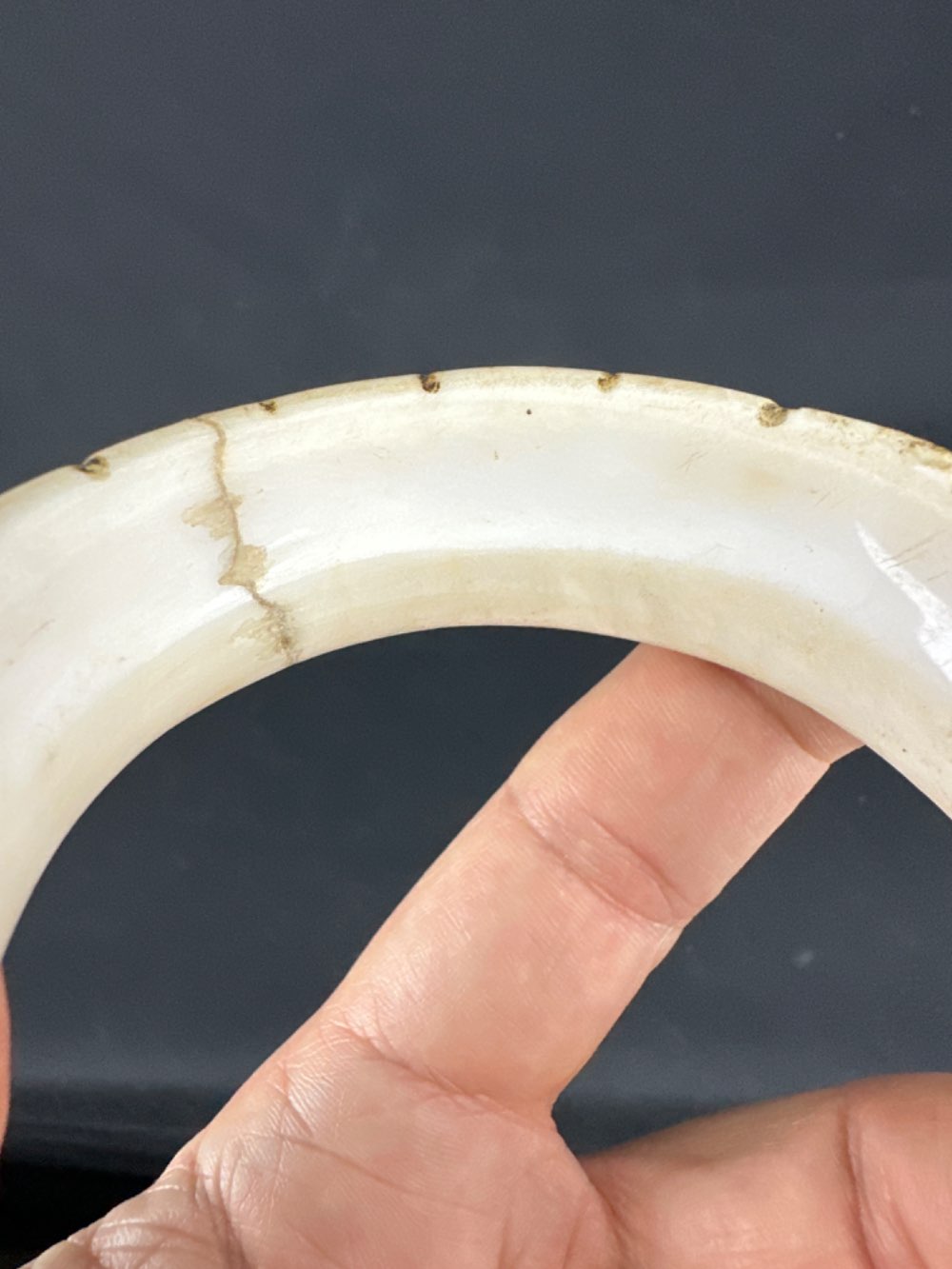
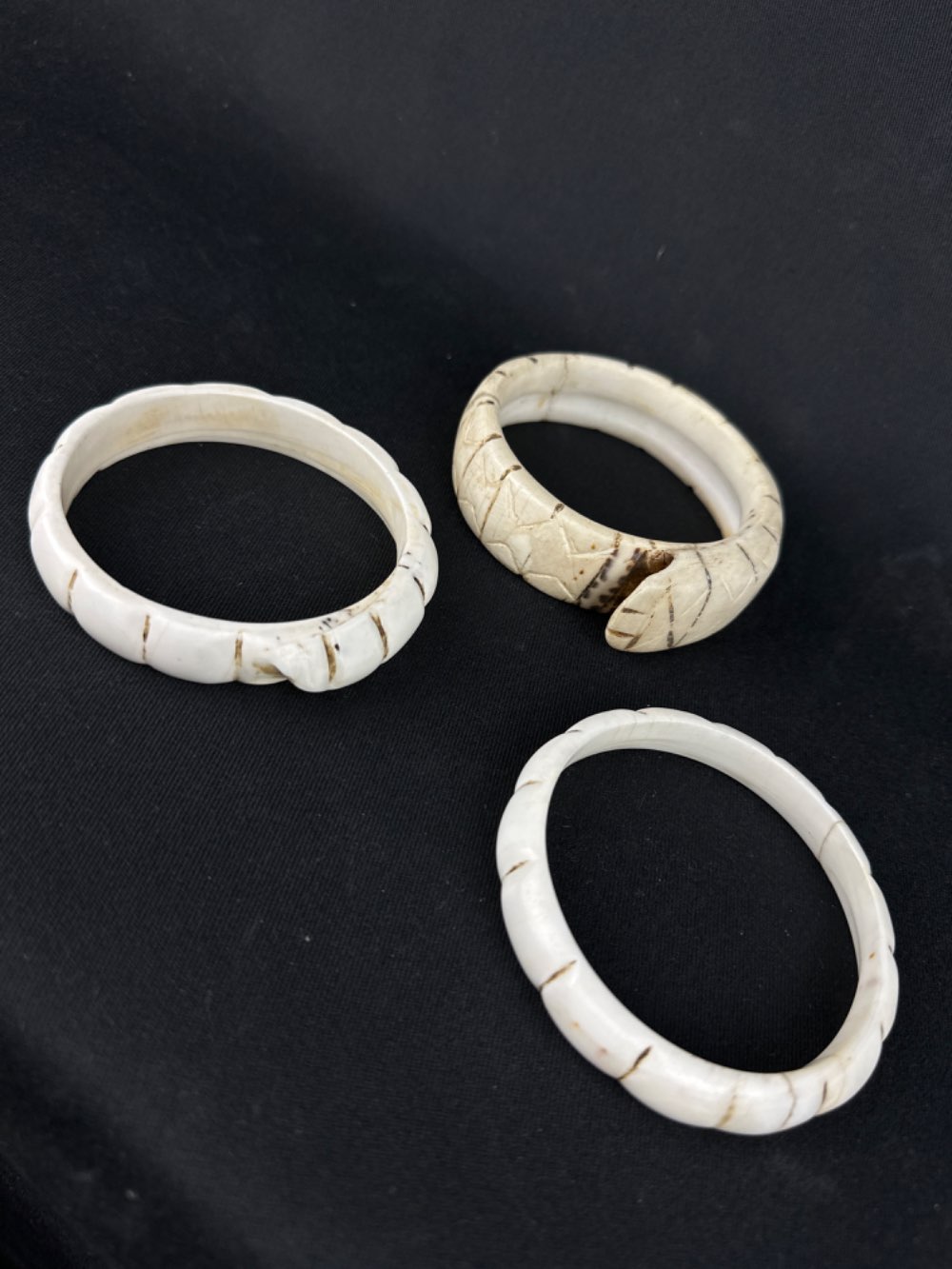
A nice large Mwali bracelet from the Trobriand Islands, PNG
A nice large Mwali bracelet from the Trobriand Islands, PNG
- Country: Papua New Guinea
- Region: Trobriand Islands
- Period: 19th century
- Material: Conus leopardus shell
- Size: 9 x 2.5 cm
- Weight: 112 gram
-
A distinctive Conus shell bracelet, known as "mwali," hails from the Trobriand Islands in Papua New Guinea. These bracelets served a dual purpose, acting not only as adornments but also as a form of traditional currency within the Kula ring.
The Kula Exchange, a significant ritual, spans eighteen islands, including the Trobriand Islands, and engages thousands of participants. Traders embark on extensive canoe journeys covering hundreds of miles to engage in the exchange of valuable items integral to the Kula tradition.
-
The Trobriand Islands are a group of coral islands situated in the Milne Bay Province of Papua New Guinea. Kiriwina is the largest among these islands, and the Wandai District is one of the administrative areas within the Trobriand Islands.
Trobriand Islands and Wandai District:
-
Geography: The Trobriand Islands are known for their stunning natural beauty, consisting of several small islands surrounded by clear blue waters. The islands are covered in lush vegetation and have a rich marine life. The Wandai District, situated within these islands, is one of the administrative divisions overseeing local governance and affairs.
-
Culture and Traditions: The Trobriand Islands have a unique cultural heritage. The inhabitants, primarily the Trobriand Islanders, have a distinct way of life, language, customs, and traditions that have fascinated anthropologists for decades. Their culture is famous for their yam-based economy, traditional ceremonies, dance, and art.
-
Yam Festival: Yam plays a significant role in the culture and economy of the Trobriand Islanders. The annual Yam Festival, known as "Milamala," celebrates the yam harvest and serves as a crucial event for social interaction, showcasing the islanders' social status and wealth based on their yam production.
-
Social Structure: The Trobriand Islanders have a matrilineal society, where kinship and inheritance are traced through the mother's lineage. This unique social structure influences various aspects of their daily lives, including property ownership, marriage customs, and community organization.
-
Tourism and Crafts: The islands attract visitors interested in experiencing the local culture, traditional customs, and the natural beauty of the region. Tourists often engage in activities such as exploring the villages, learning about the islanders' traditional crafts, and witnessing cultural performances.
The Trobriand Islands, including the Wandai District, offer a glimpse into a distinctive way of life that embraces tradition, communal values, and a deep connection with nature. The islands continue to intrigue travelers and researchers seeking to understand and appreciate the rich cultural heritage and traditions of the Trobriand Islanders. However, specific and current details about Wandai District might have changed or evolved since then, so it's advisable to seek the most recent information for an updated understanding of the region.
-
Please send an e-mail via below form, WhatsApp or call to order or get more information about this object.
We can communicate in English, Deutsch and Nederlands!
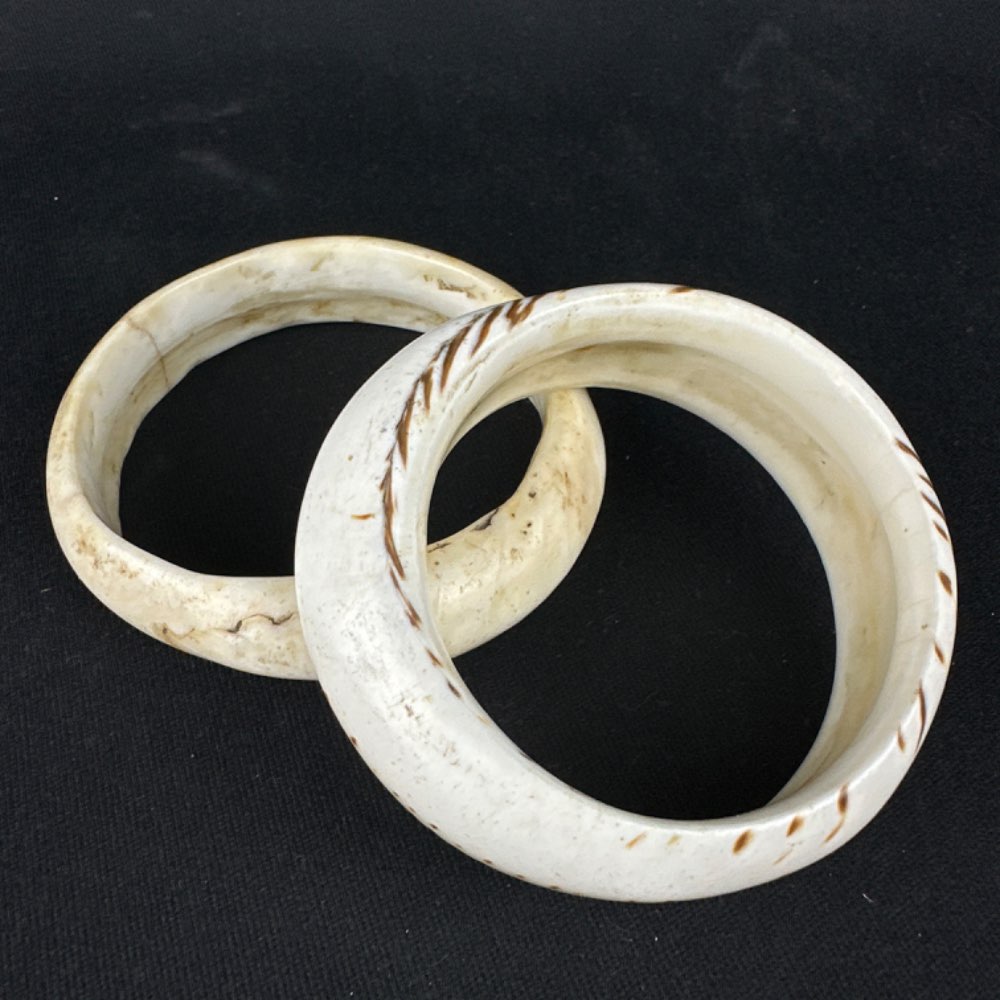 Nice set of 2 bracelet from the Pantar Islands, Indonesia (19th century)
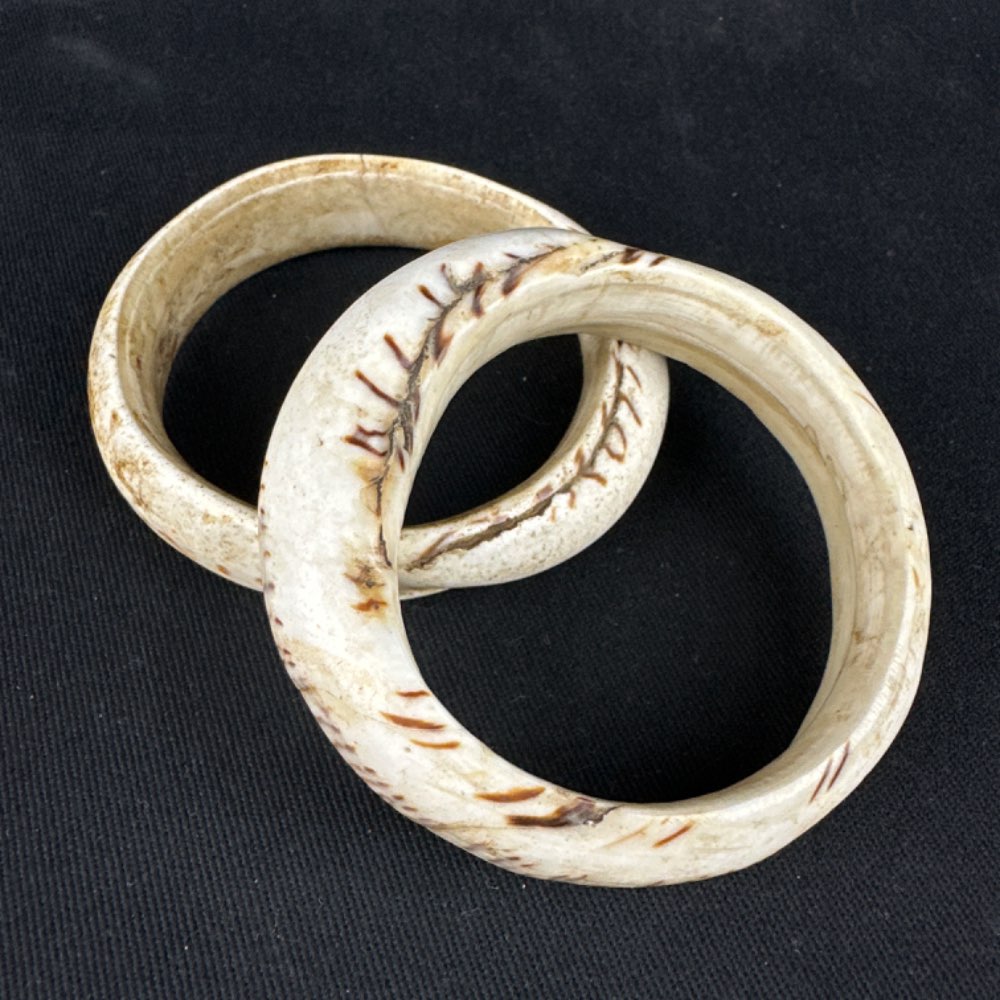 Nice set of 2 bracelet from the Pantar Islands, Indonesia (19th century)
A nice large Mwali bracelet from the Trobriand Islands, PNG