



Double click image to enlarge
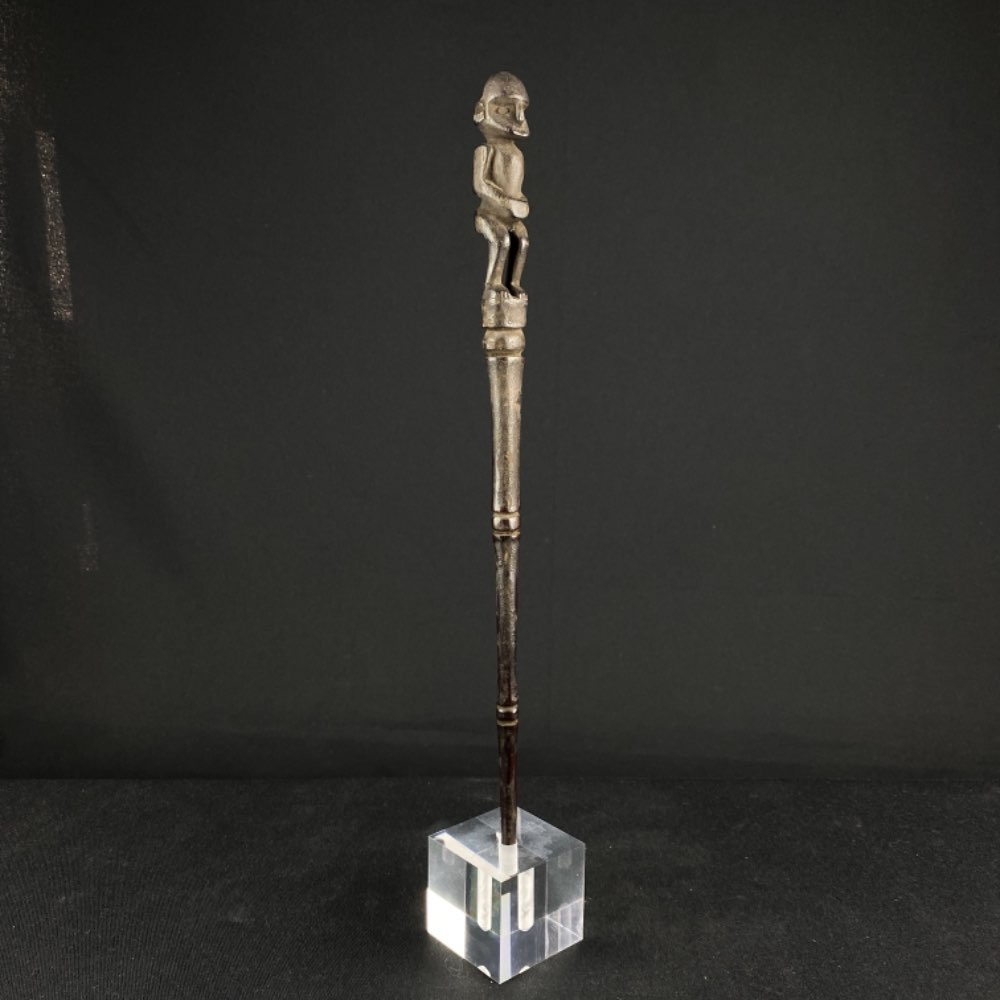
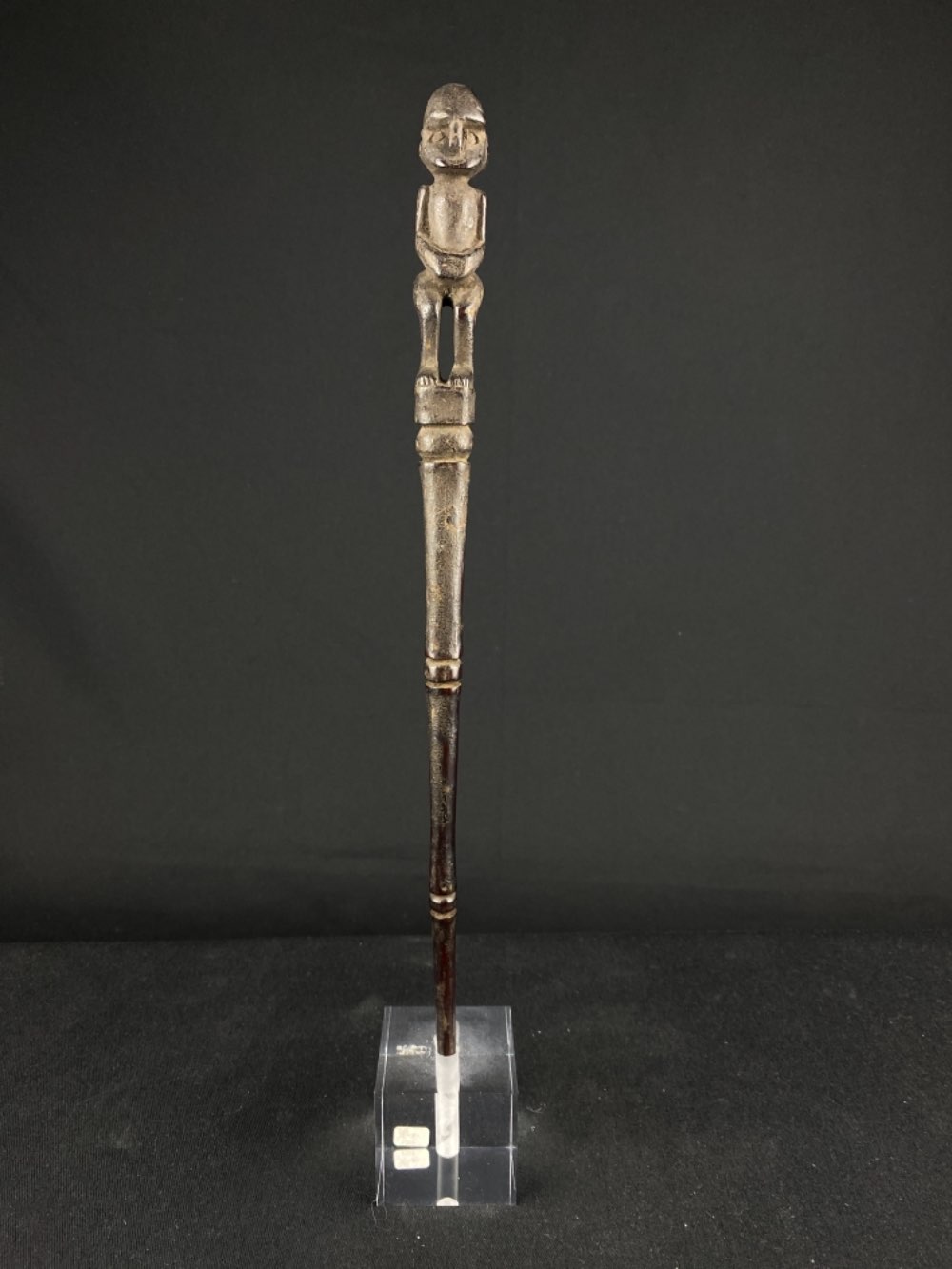
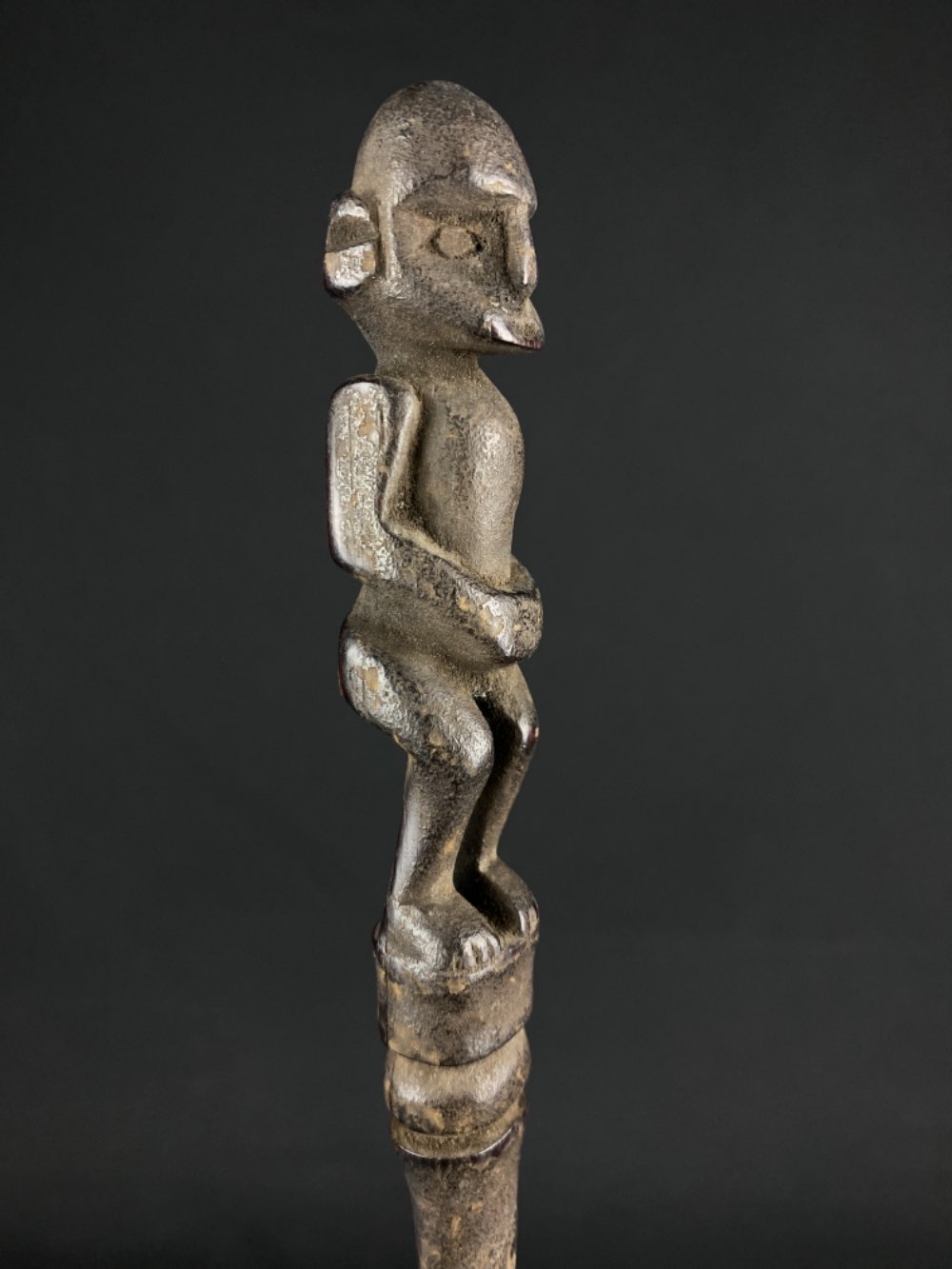
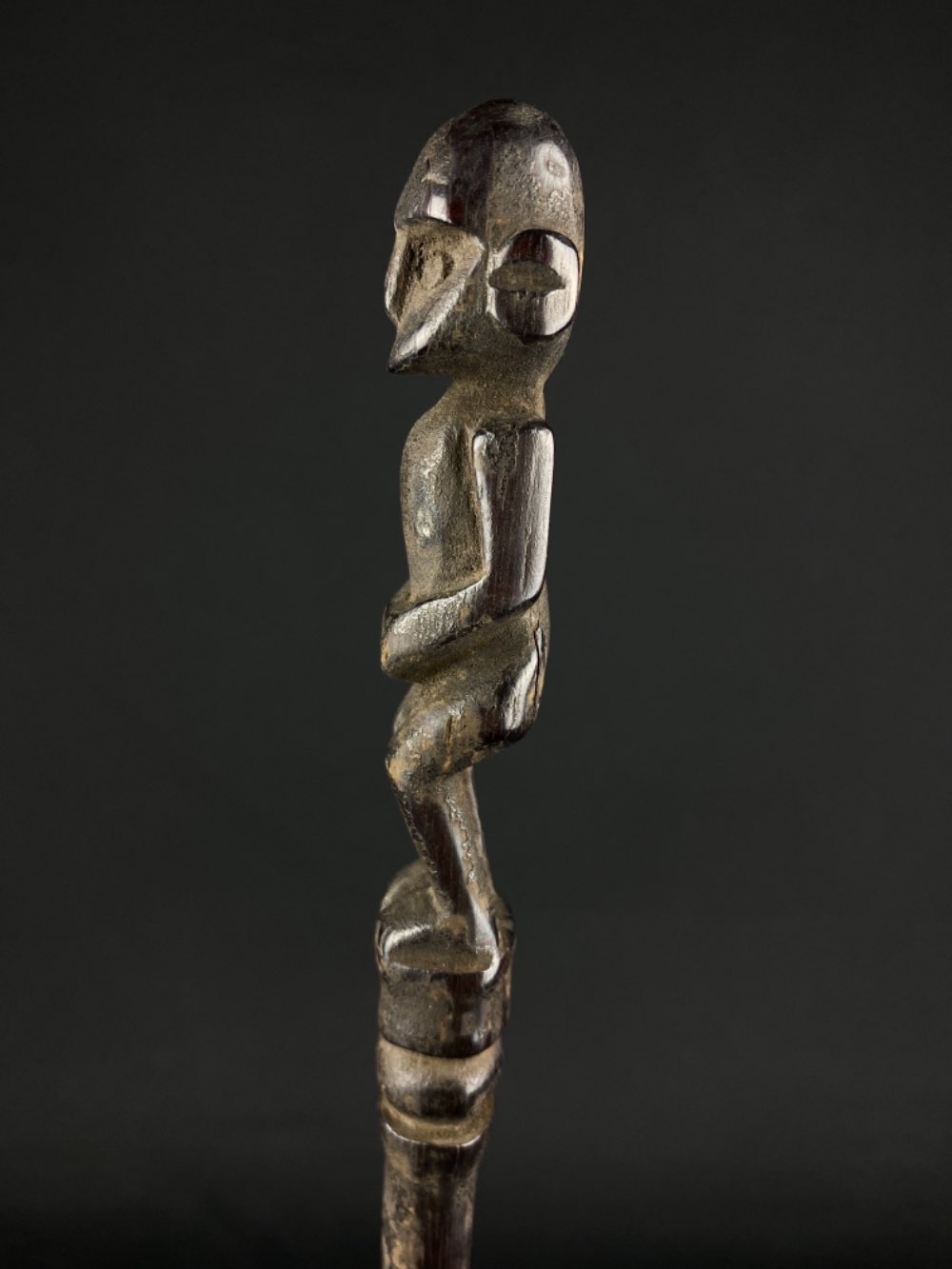
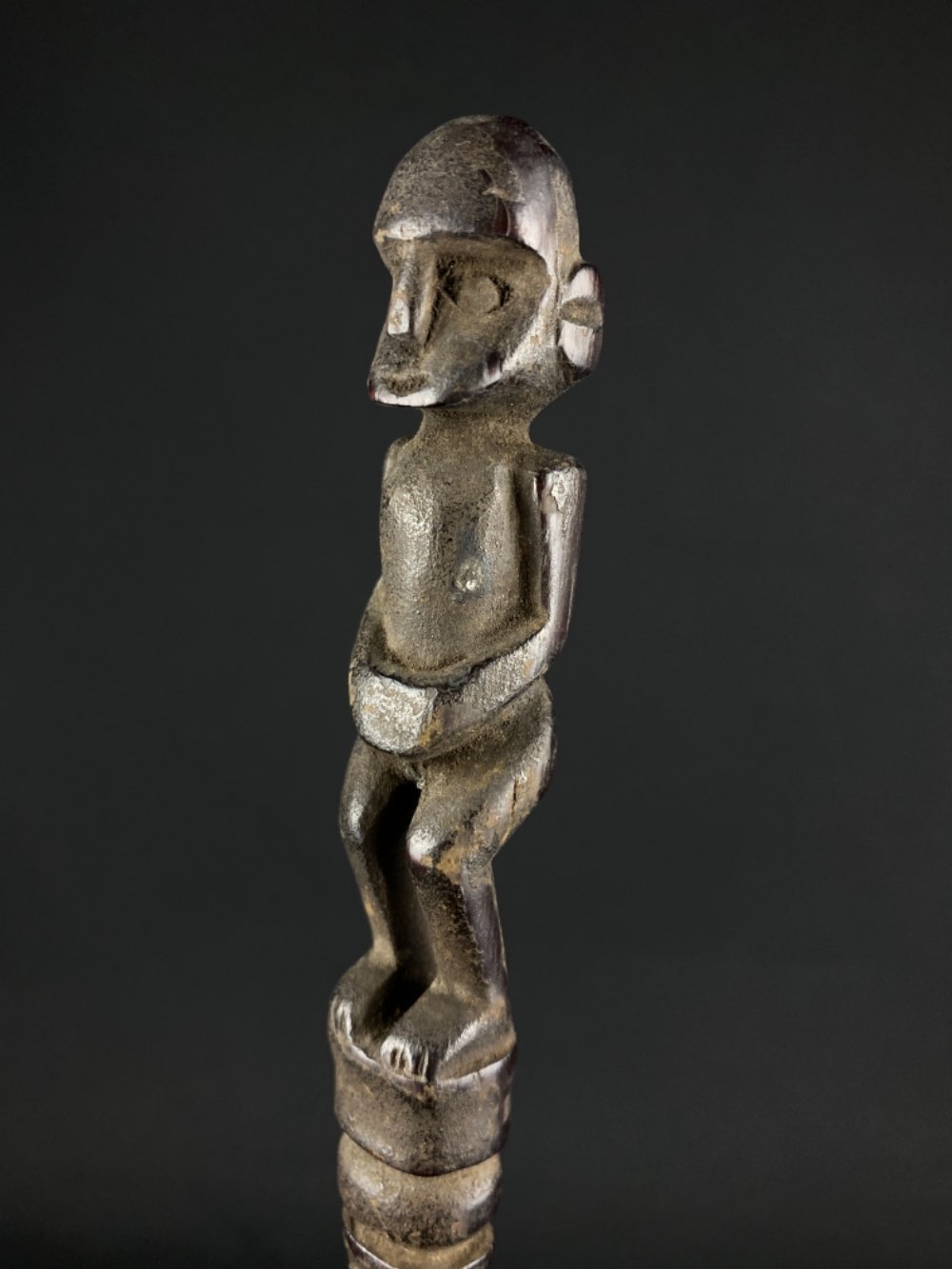
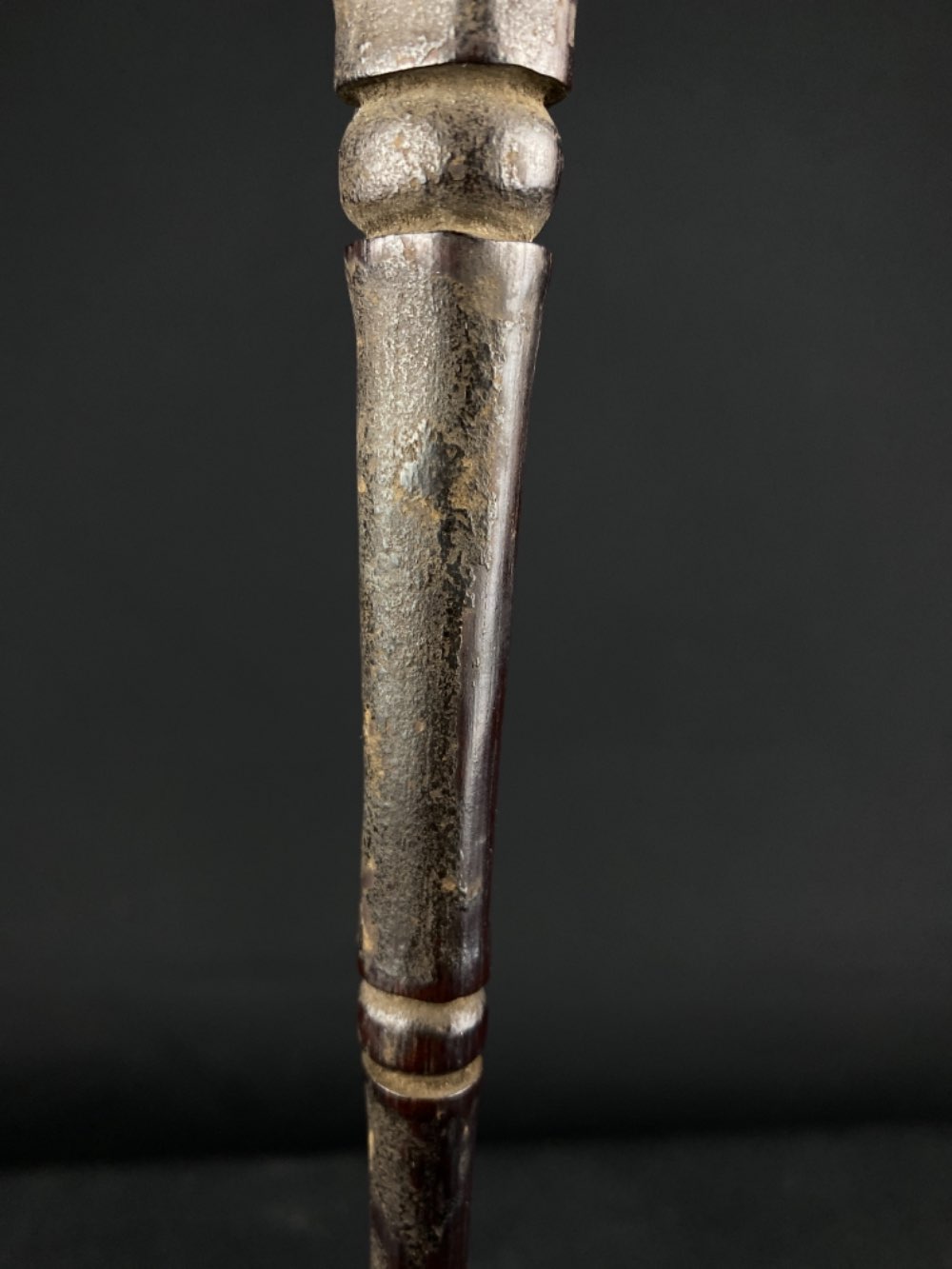
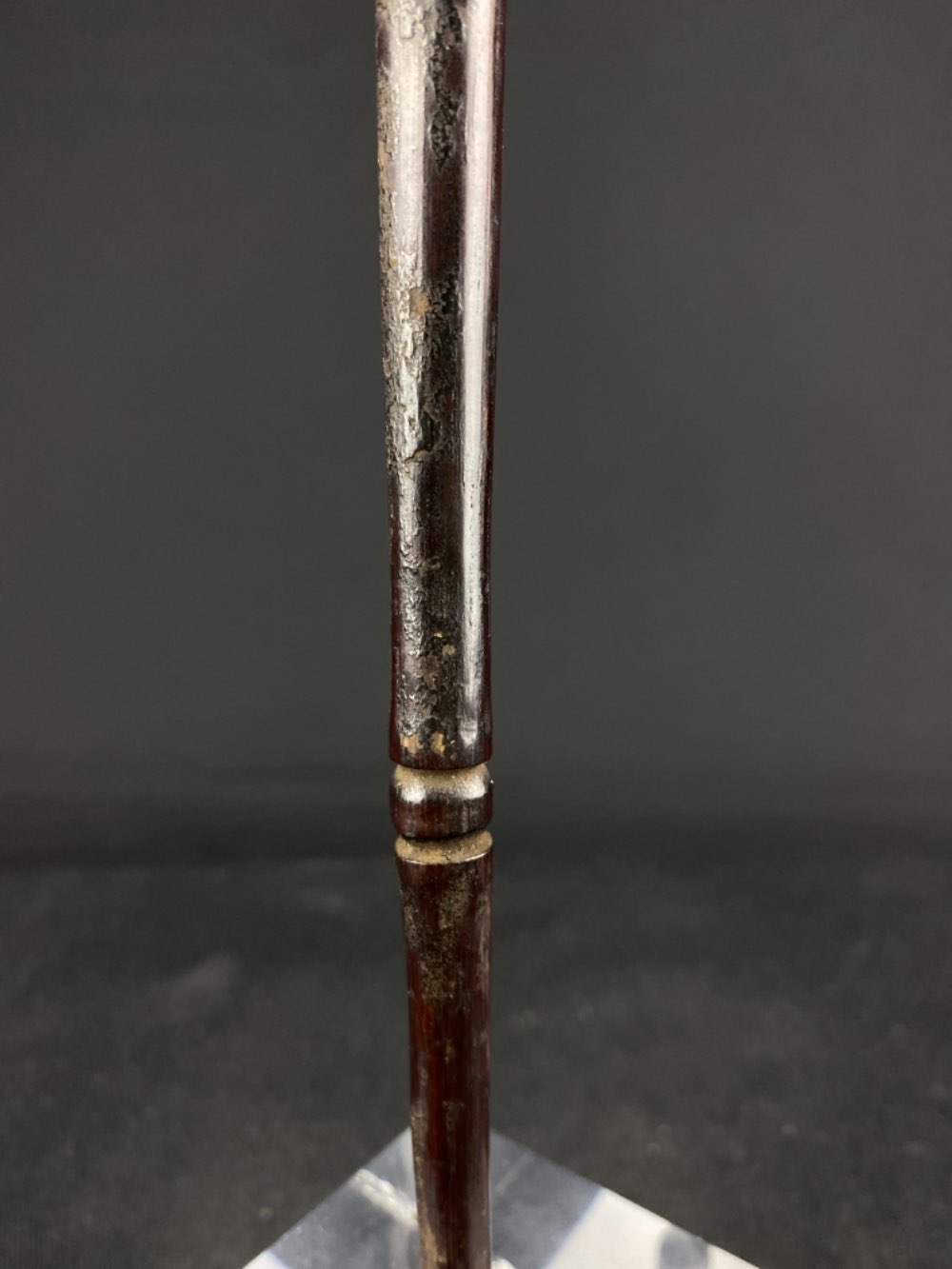
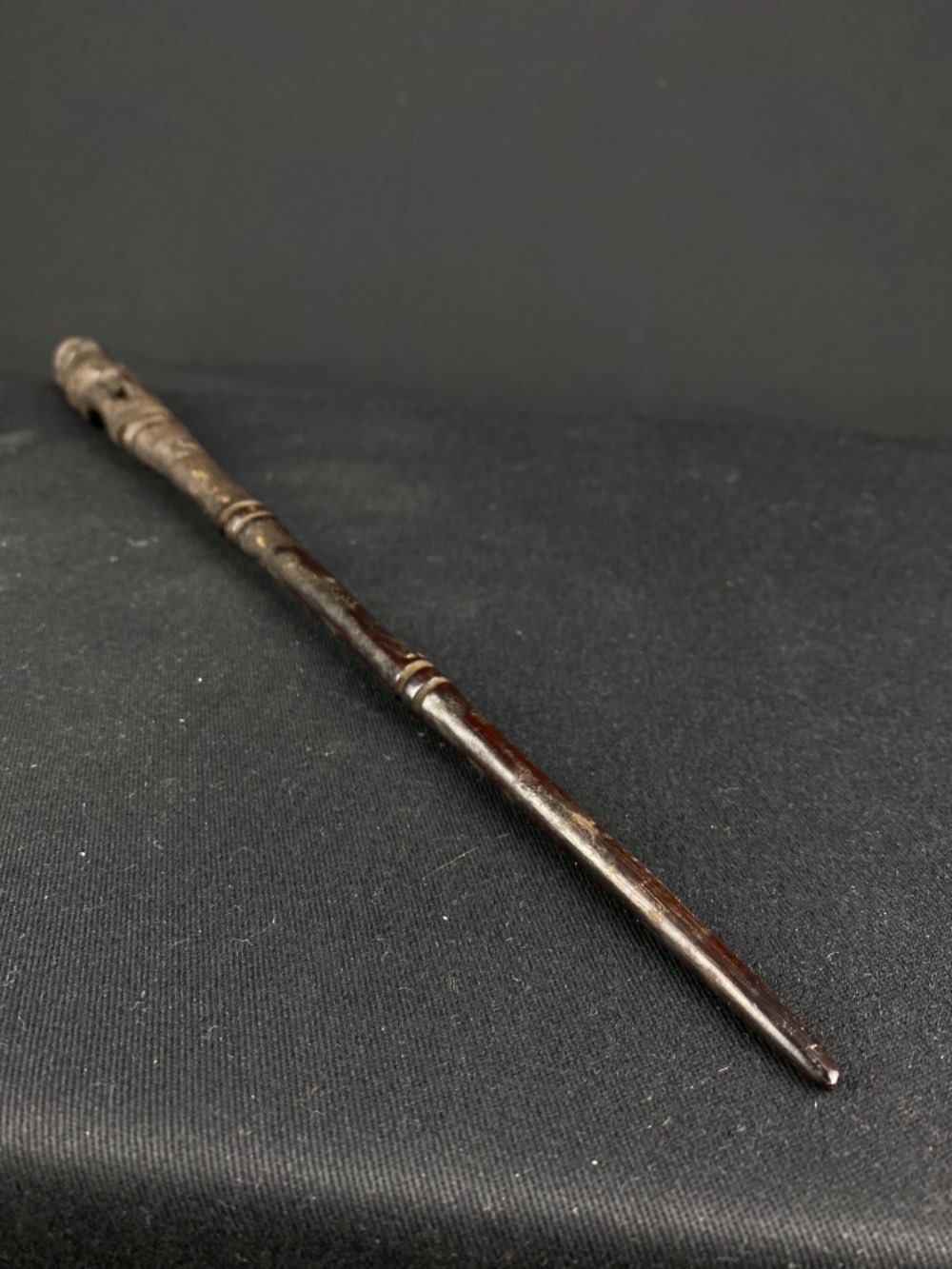
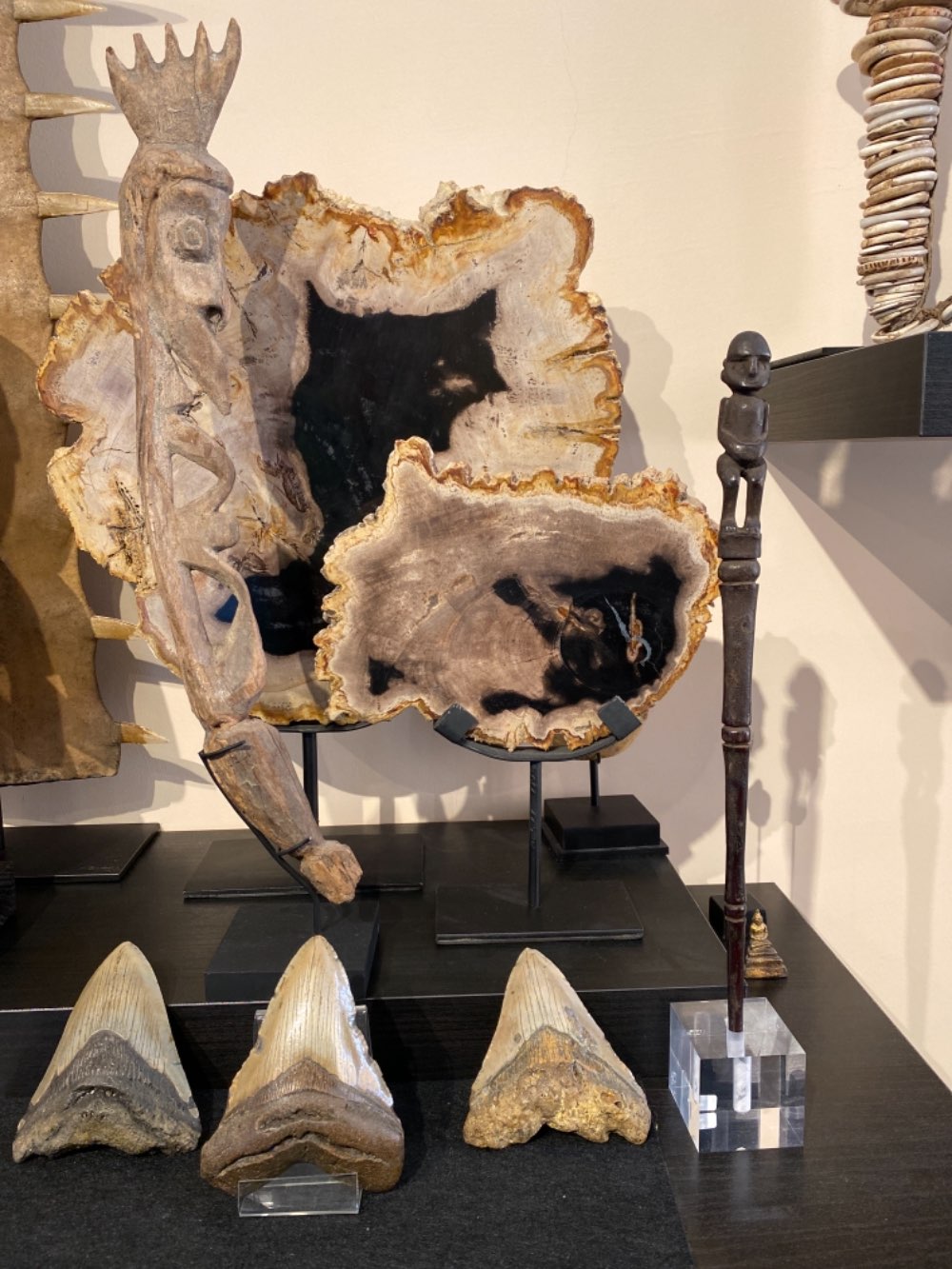
Iban Dayak Pig trap charm "Tun Tun", Kalimantan (Borneo)
Iban Dayak Pig trap charm "Tun Tun", Kalimantan (Borneo)
- Country: Indonesië
- Island: Kalimantan (Borneo)
- Tribe: Dayak people
- Period: 19th century
- Material: hard wood with nice patina
- Size: 36.5 cm
- Stick with standing ancestor figure
- A tun-tun-babi or “pig stick” that was technically used as a trigger for a sophisticated trap by the Iban Dayak, North Borneo. On a magical level, the standing figure would “call” or lure prey. On a practical level, a cloth imbued with the scent of foods was tucked into the figure’s body in order to lure the animal. Such traps were outlawed as being too dangerous by Raja Charles Brooke, the ruler of Sarawak in the 1880’s, and with the further adoption of firearms, became obsolete.
Dayak People of Borneo:
The Dayak people are the indigenous inhabitants of Borneo, the third-largest island in the world, which is shared by Indonesia, Malaysia, and Brunei. They are known for their rich cultural heritage, traditional practices, and distinctive art.
Key Aspects of Dayak Culture:
-
Spirituality and Rituals: The Dayak people traditionally adhere to animist beliefs, where they believe in spirits residing in natural elements like rivers, mountains, and forests. Rituals and ceremonies play a significant role in their culture, often involving elaborate masks, costumes, and symbolic objects.
-
Ceremonial Artifacts: Dayak art is expressed through various forms, including woodcarving, beadwork, textiles, and metalwork. Ceremonial artifacts are created for specific rituals and occasions, and these items often hold spiritual and cultural significance.
-
Woodcarving: Woodcarving is a notable aspect of Dayak art. Intricately carved wooden sculptures, masks, and figures are created for both utilitarian and ceremonial purposes. These carvings often depict ancestral spirits, animals, and mythological figures.
-
Tattooing: Tattooing has been a traditional practice among the Dayak people, with different tattoo patterns representing various stages of life, achievements, and social status.
-
Longhouses: Dayak communities often live in longhouses, communal structures where multiple families reside. These longhouses are not only dwellings but also serve as centers for social and cultural activities.
-
Beadwork and Textiles: The Dayak people are skilled in beadwork and weaving, producing intricate patterns and designs on textiles and accessories.
Please send an e-mail via below form, WhatsApp or call to order or get more information about this object.
We can communicate in English, Deutsch and Nederlands!
Iban Dayak Pig trap charm "Tun Tun", Kalimantan (Borneo)