

Double click image to enlarge
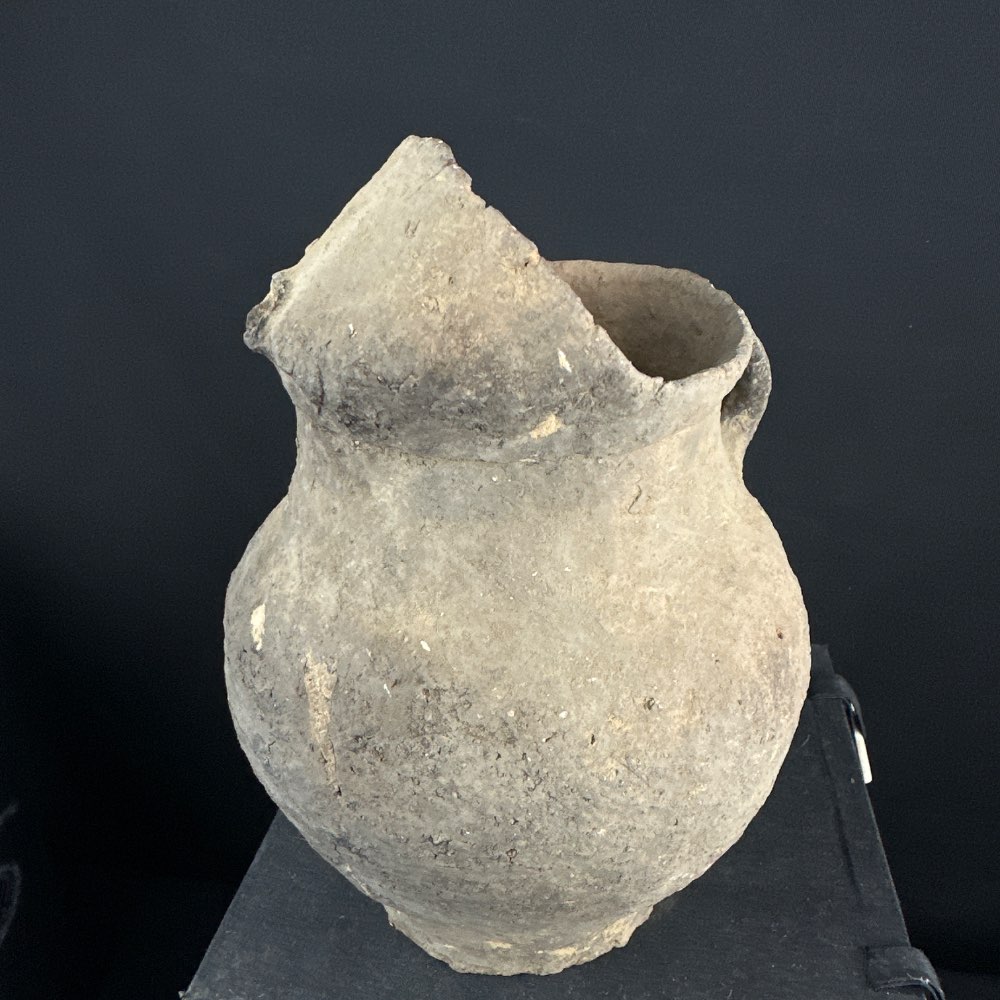
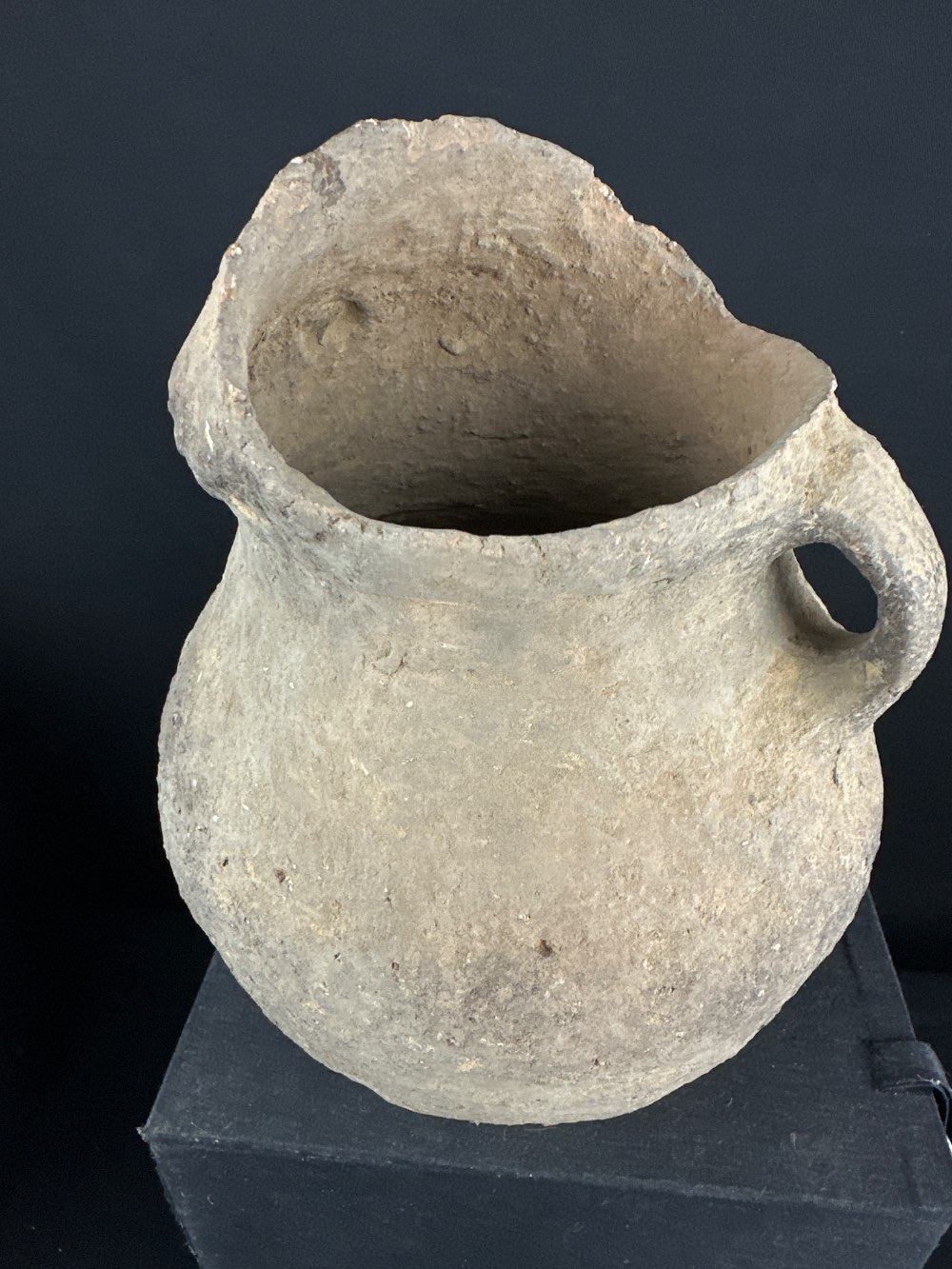
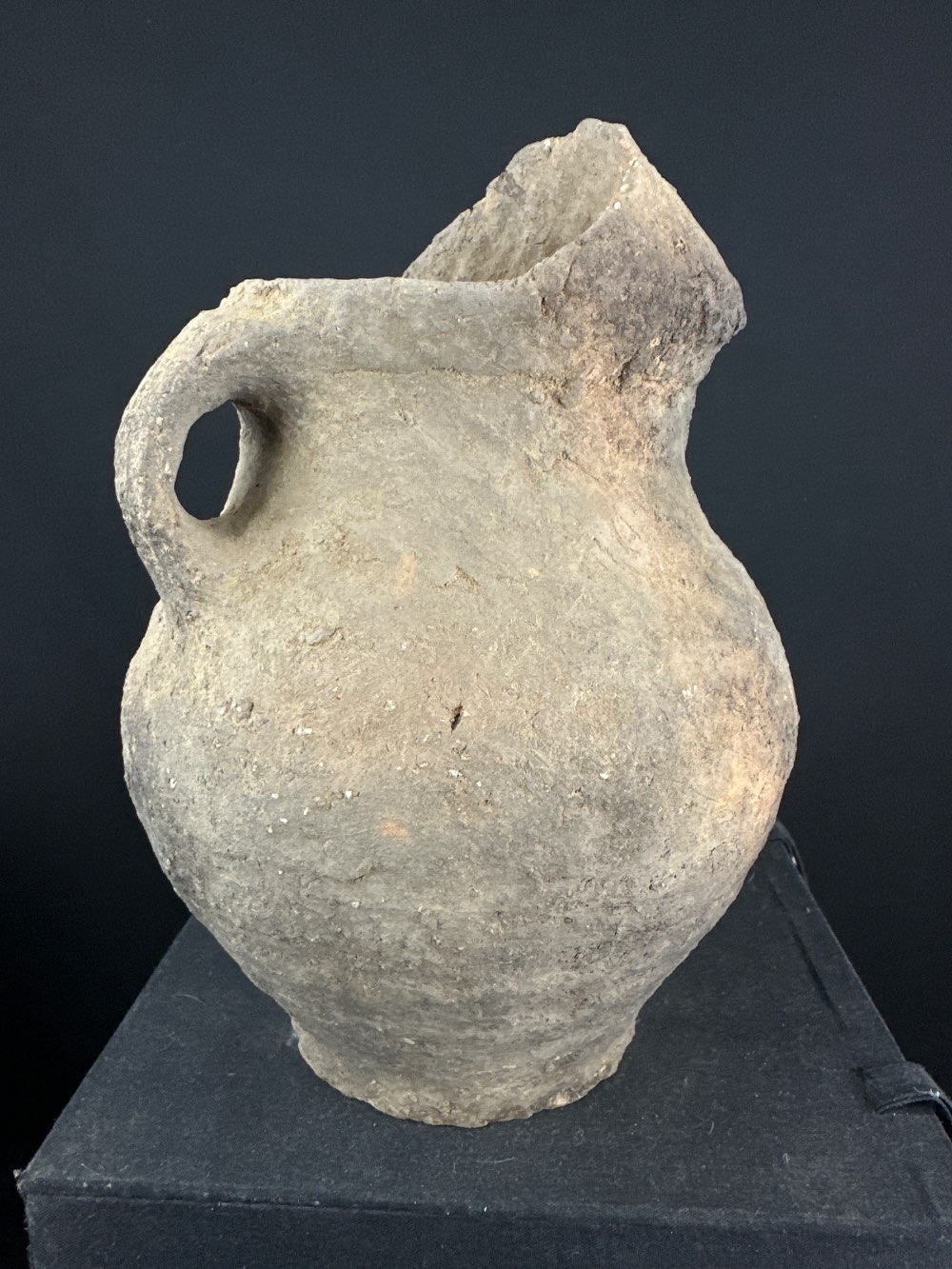
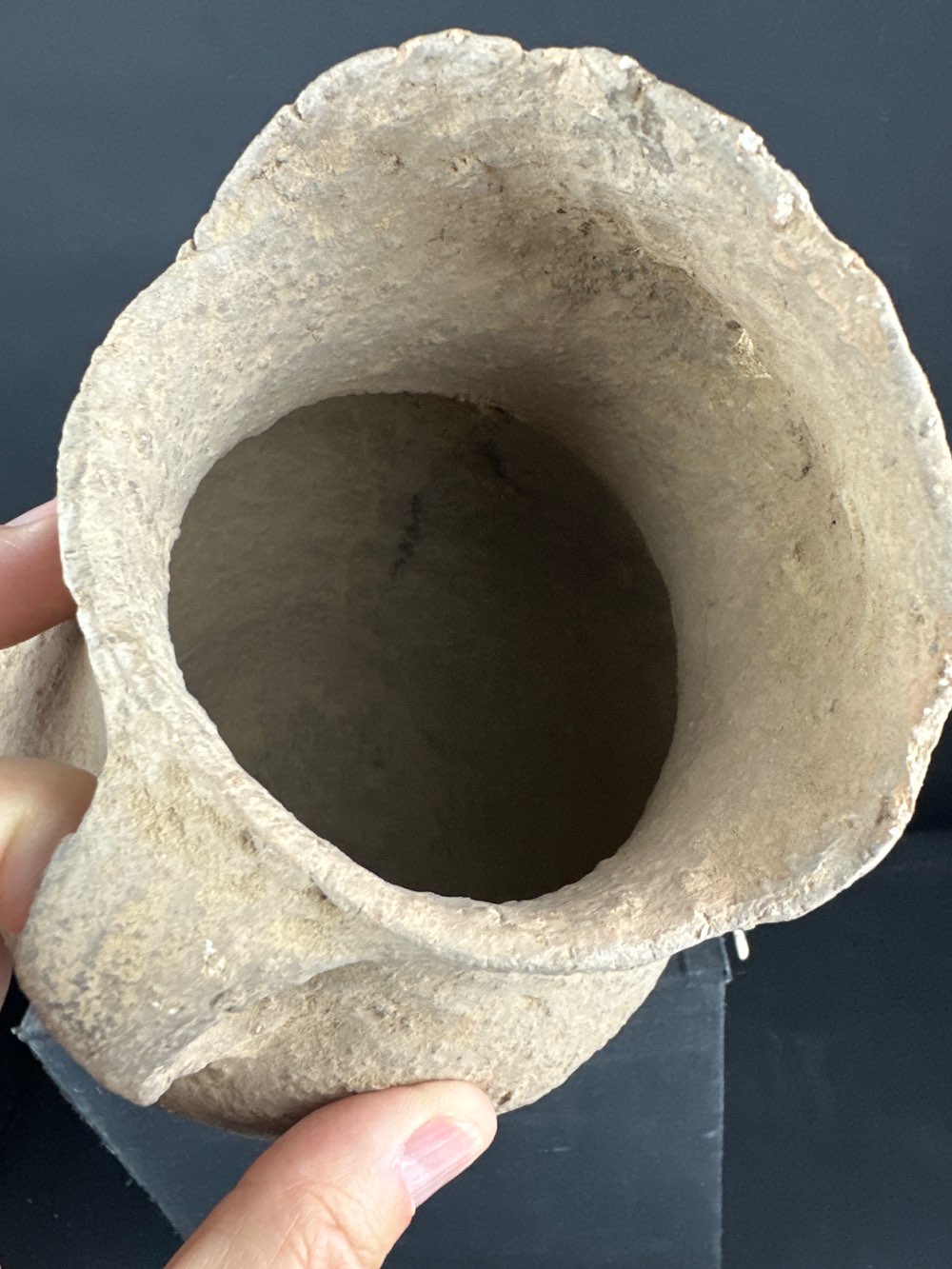
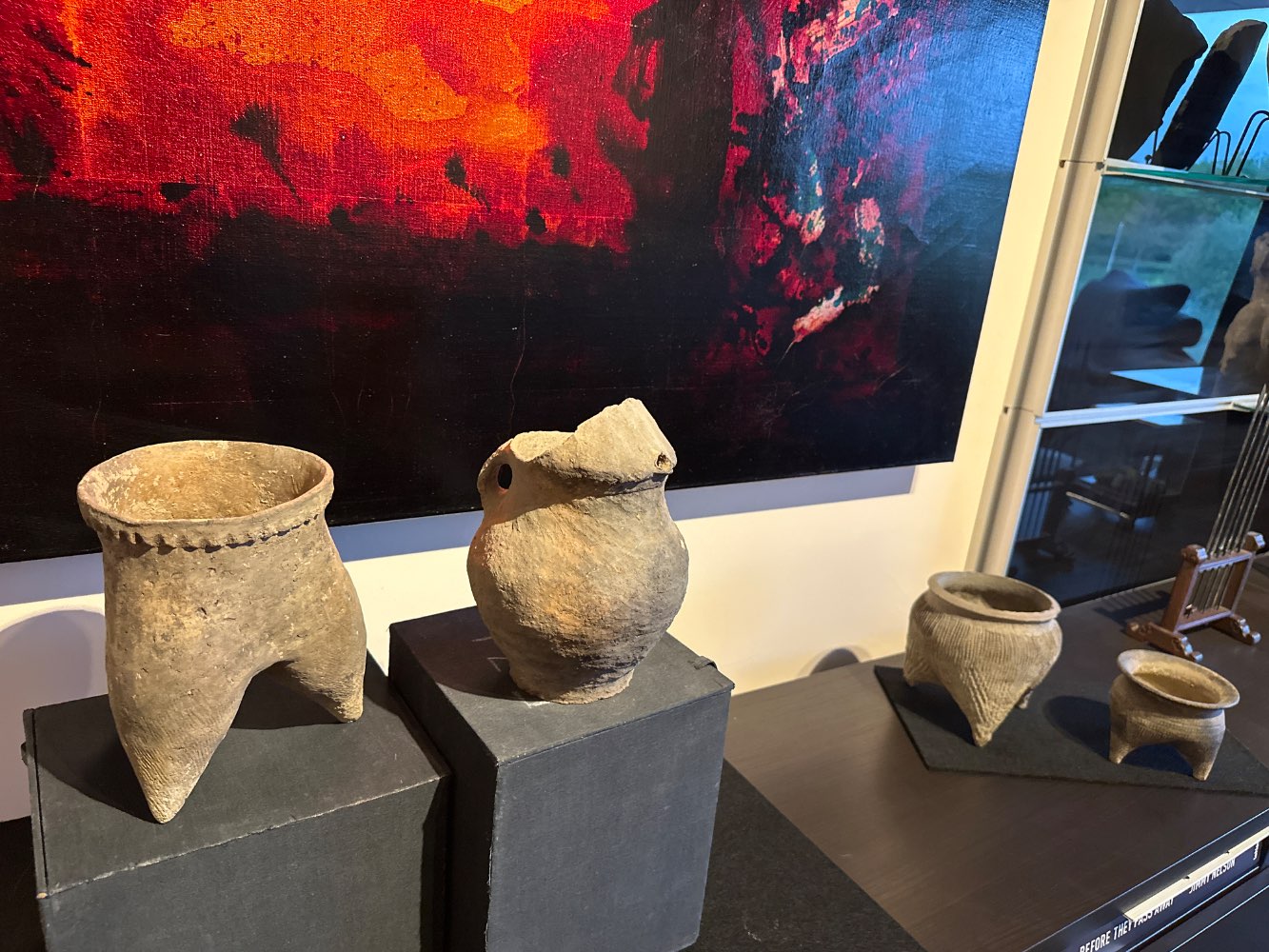
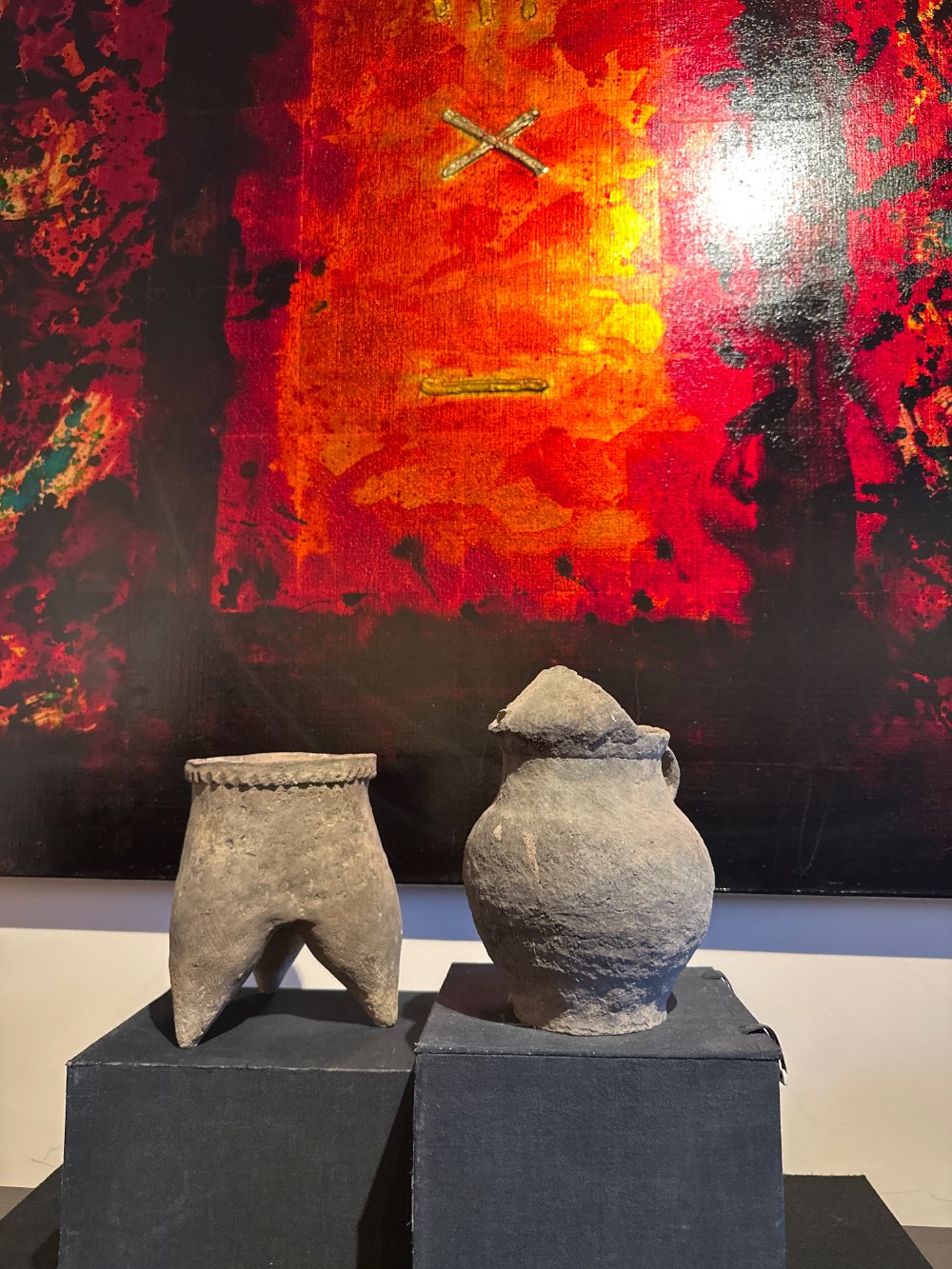
Pottery water ewer from neolithic period (2000-1000 BC) China
Pottery water ewer from neolithic period (2000-1000 BC) China
- Country: China
- Period: Neolithic period (2000-1000 BC)
- Size: 20 + 14.5 cm
- Comes with a black box
- Comes out of an old Italian collection
Neolithic ewer-like pottery jars in Chinese culture were early pouring vessels developed during cultures such as Yangshao and Majiayao (c. 5000–2000 BCE). These vessels were typically made of earthenware and featured rounded bodies, narrow necks, and simple spouts formed by pinching or shaping the rim. Some examples also included small handles.
They were used for storing and pouring liquids such as water or fermented drinks, and in some cases may have had ritual functions, especially when found in burial contexts. Many were decorated with painted geometric patterns or simple incised designs, reflecting both practical use and early artistic expression.
These vessels demonstrate an early understanding of controlled pouring and represent an important development in Chinese ceramic technology, combining everyday functionality with emerging cultural and aesthetic values.
Please send an e-mail via below form, WhatsApp or call to order or get more information about this object.
We can communicate in English, Deutsch and Nederlands!
Pottery water ewer from neolithic period (2000-1000 BC) China