


Double click image to enlarge
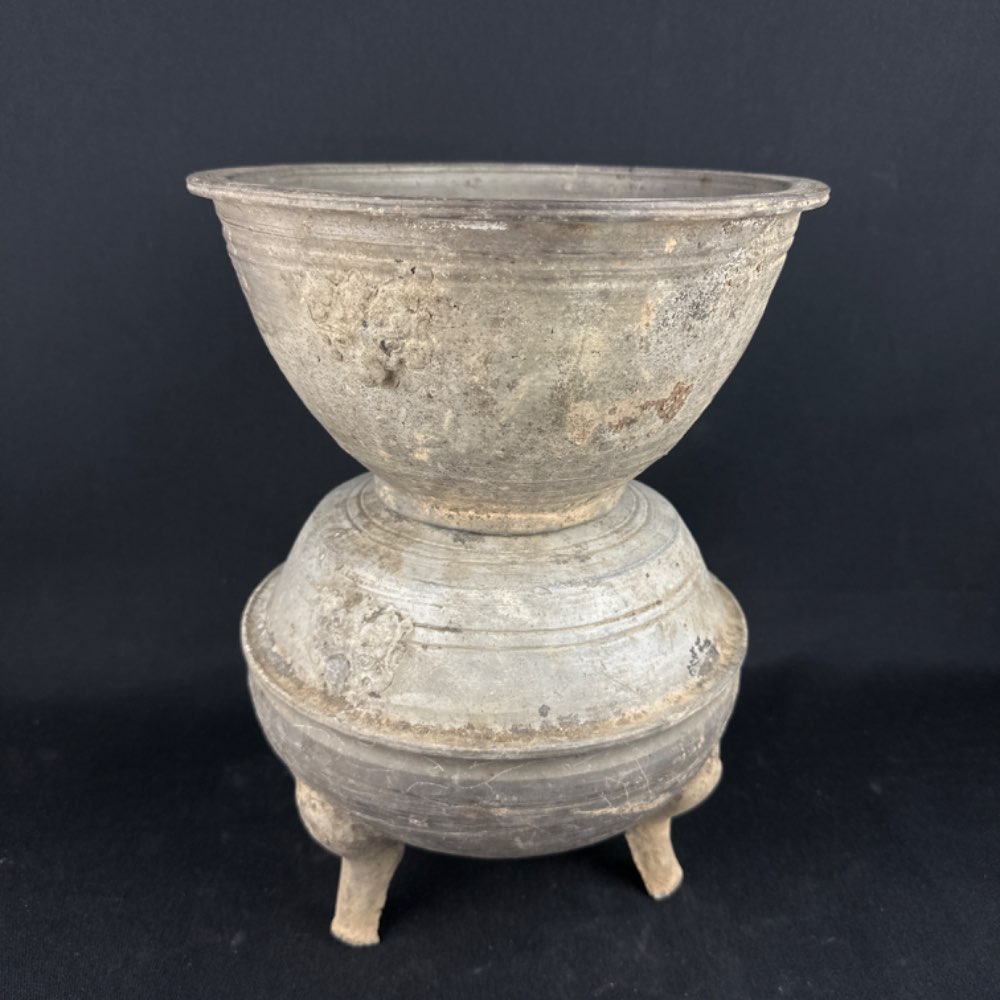
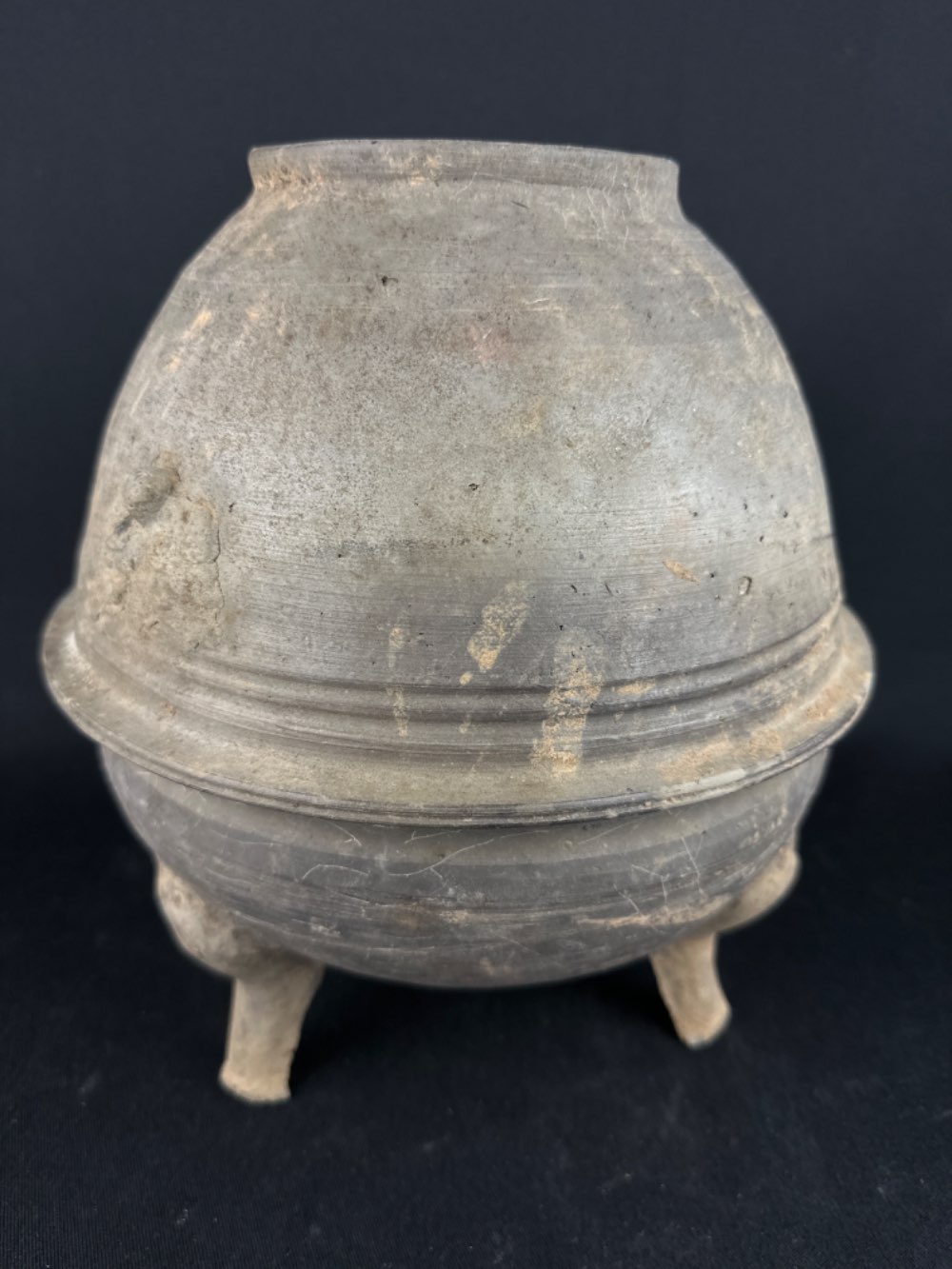
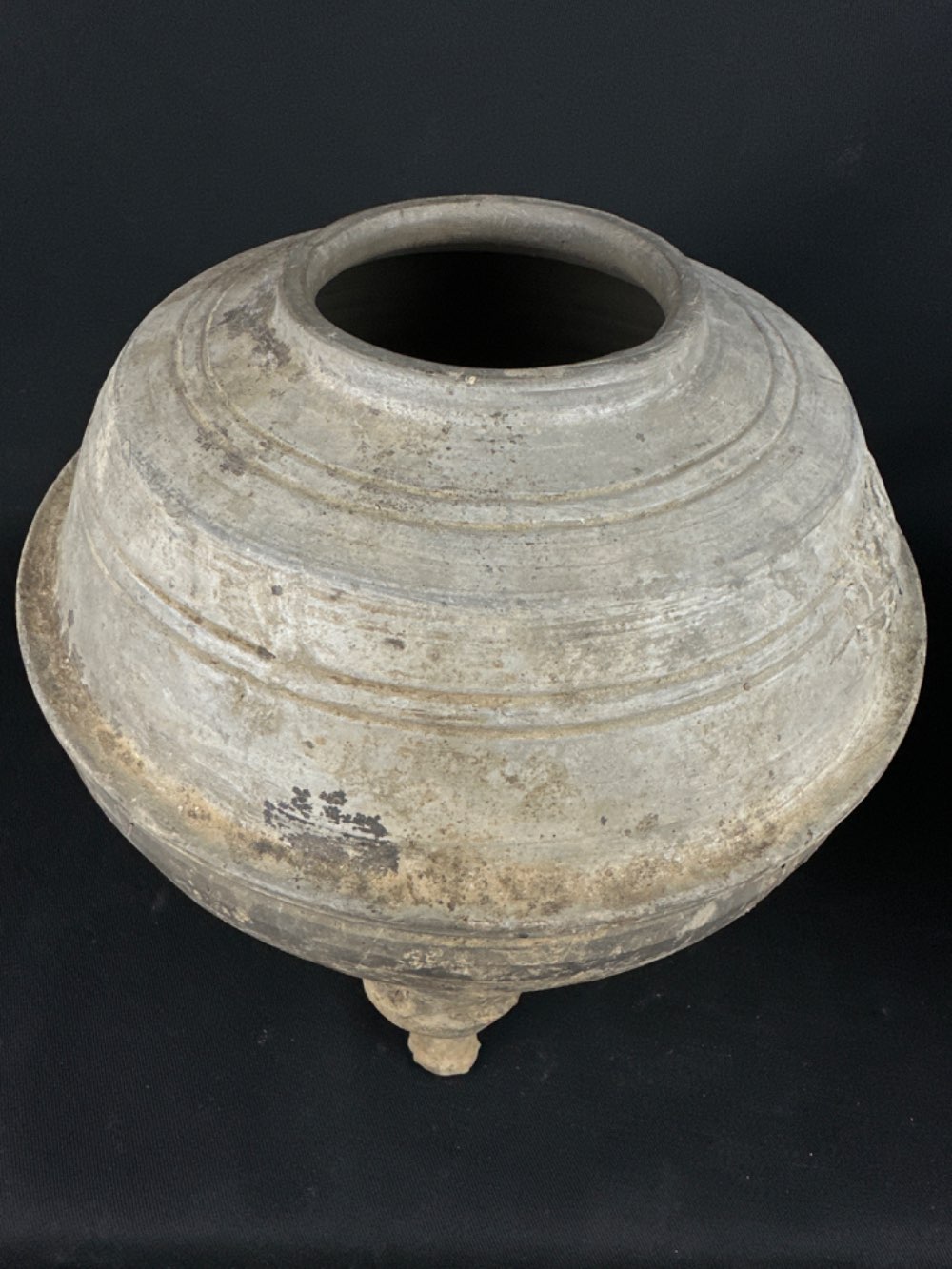
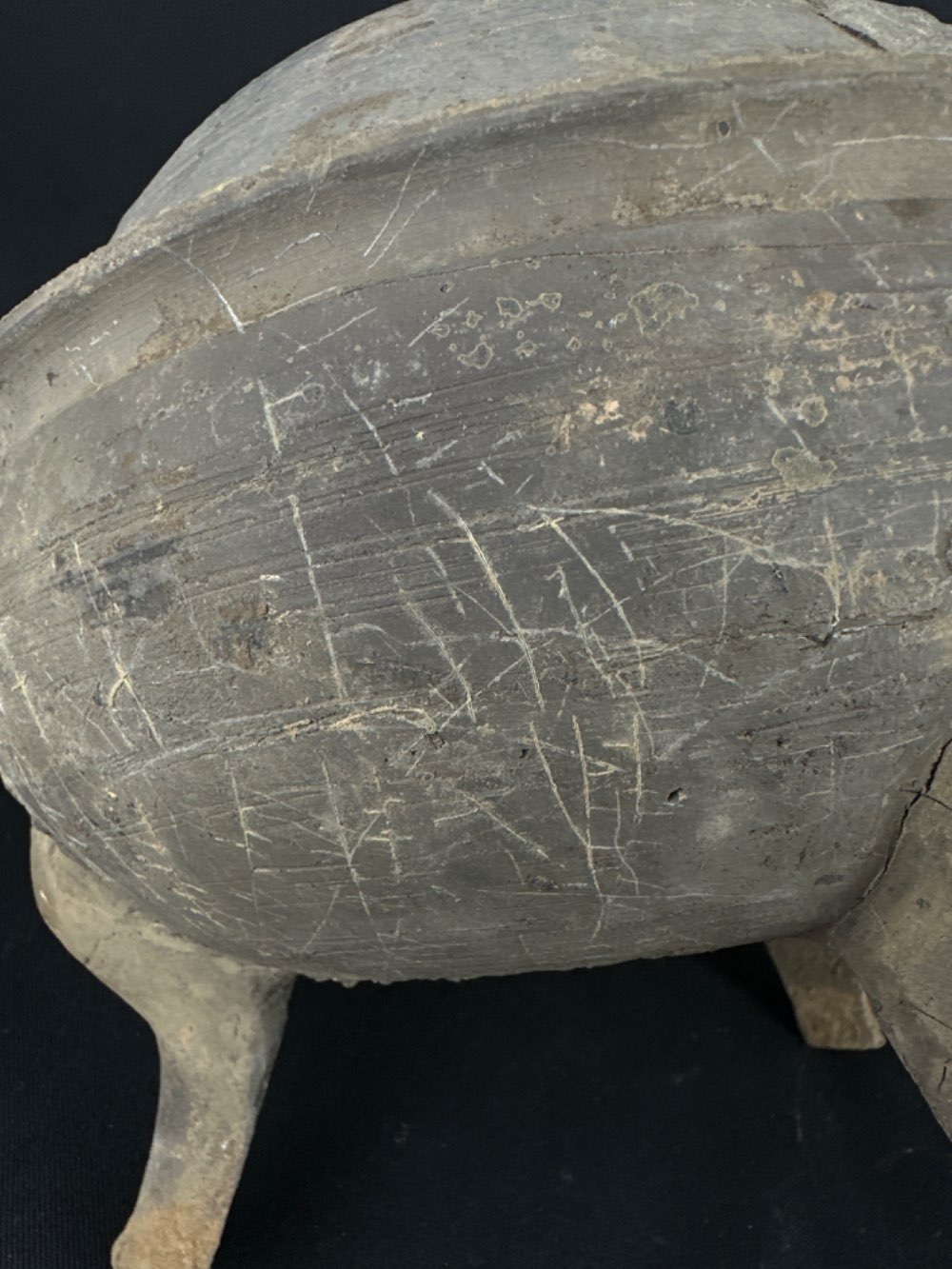
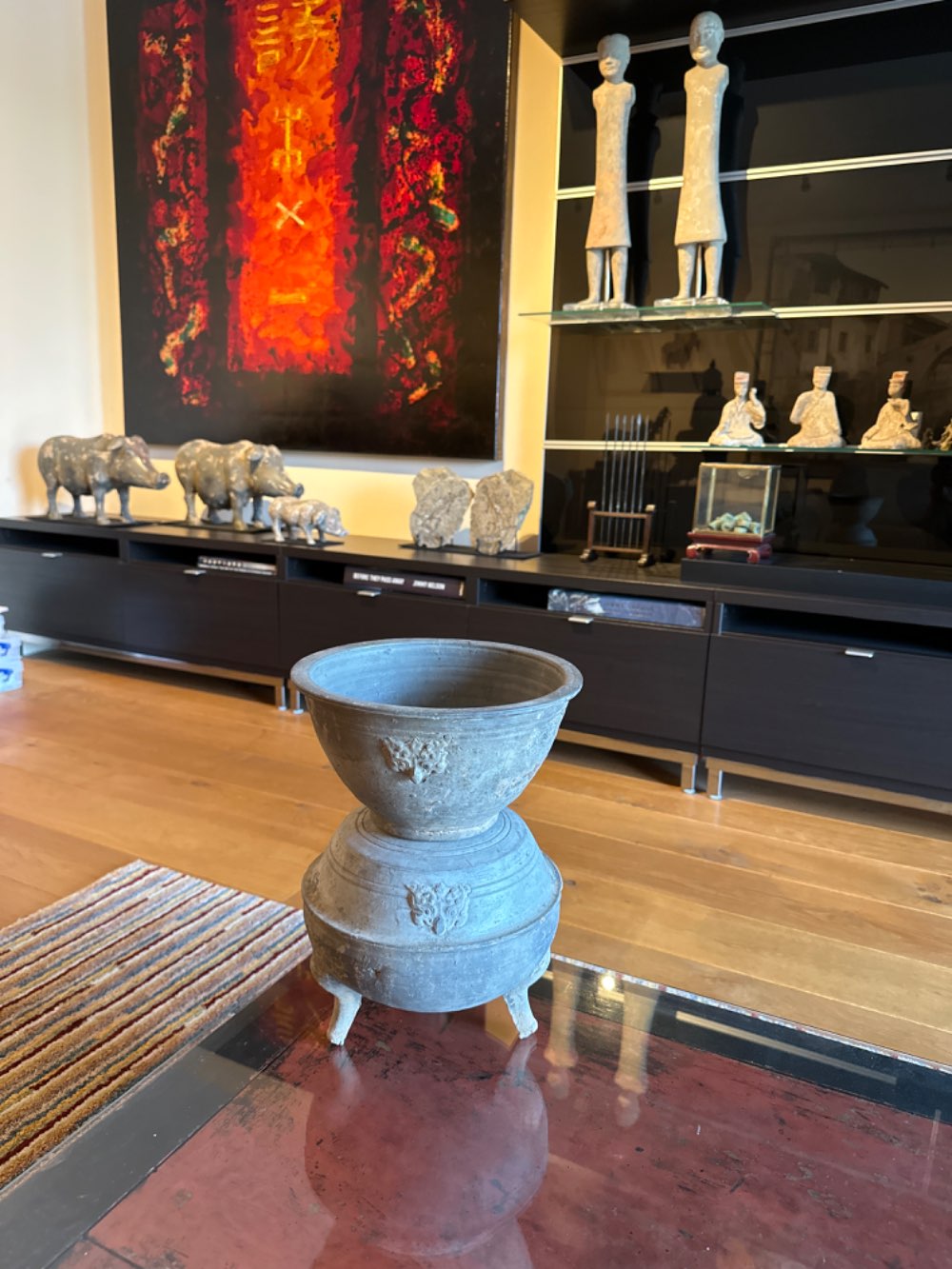
Very nice tripod cooking vessel steamer from Han Dynasty (206 BC-220 AD) of grey pottery
Very nice tripod cooking vessel steamer from Han Dynasty (206 BC-220 AD) of grey pottery
- Country: China
- Period: Han Dynasty (206 BC-220 AD)
- Material: grey terracotta
- Size: 30.5 x 23 cm
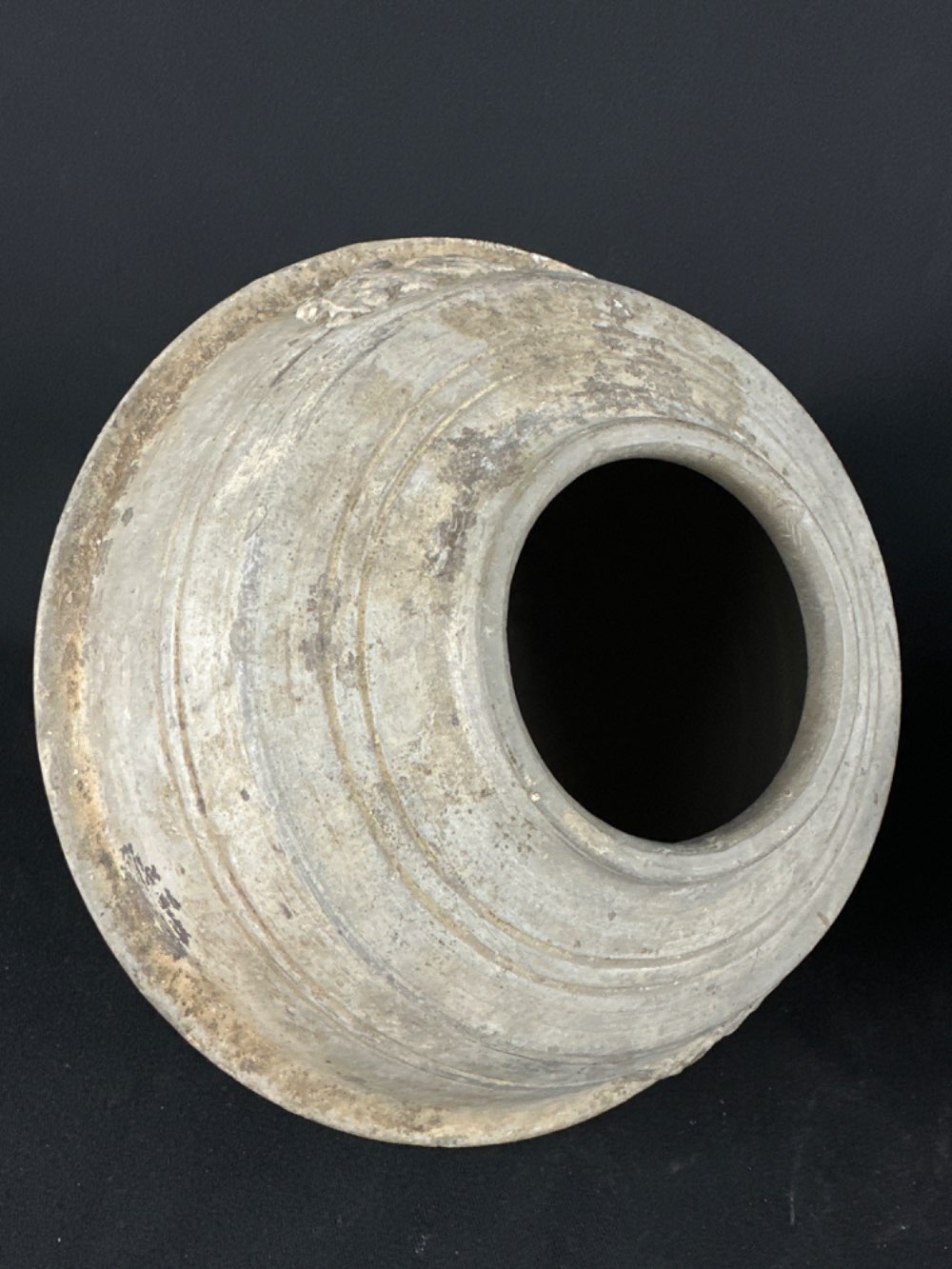
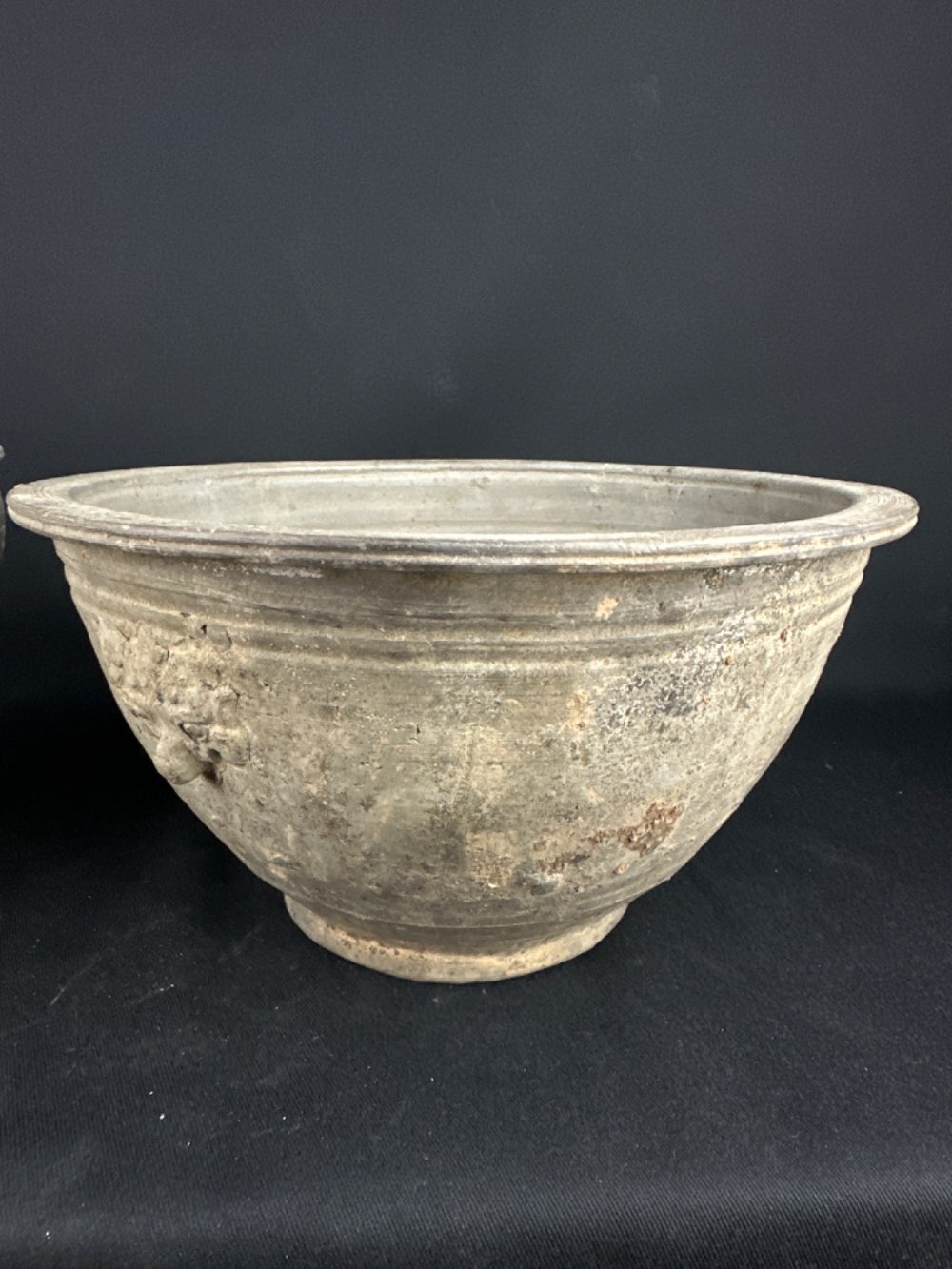
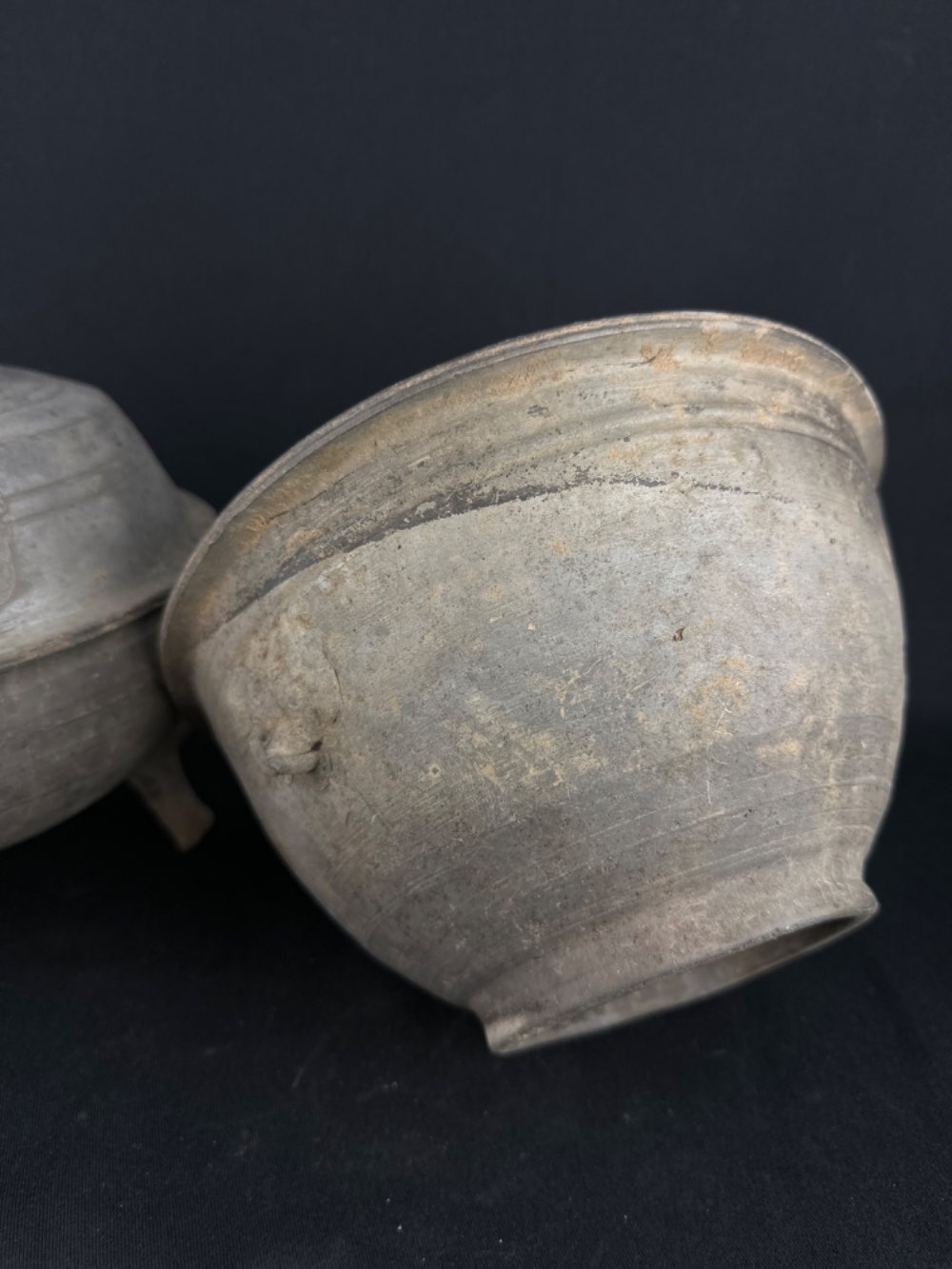
- Nice quality unrepaired cooking vessel steamer decorated with Taotie masks
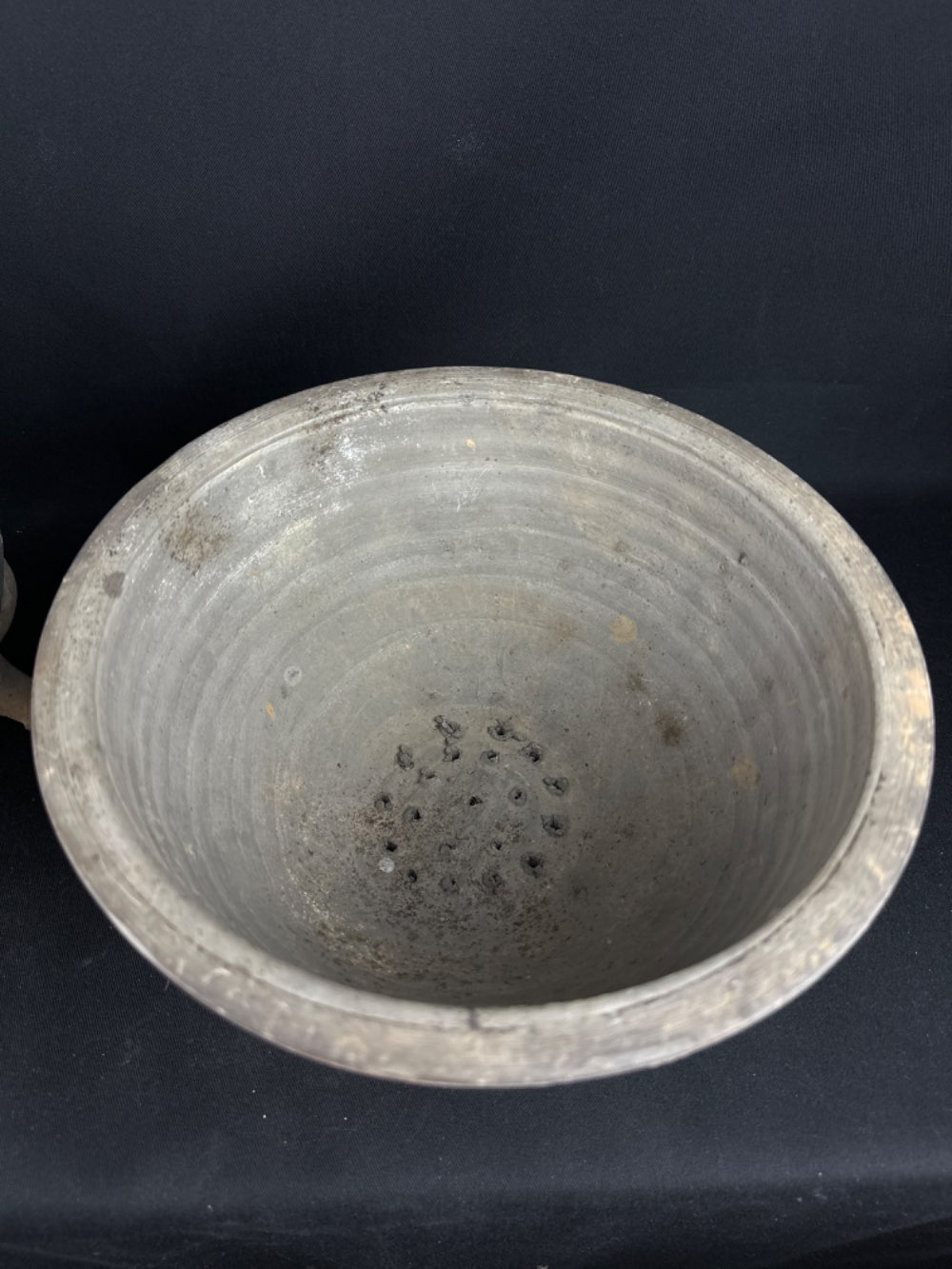
- It's raised on tripod feet and with conical pierced cover moulded with mask handles.
- Imprints of roots shown on both parts.
- Comes out of an old Italian collection.
Traditional cooking steamer vessels from the Han Dynasty offer a fascinating glimpse into the culinary practices and technological innovations of ancient China. During the Han Dynasty (206 BCE – 220 CE), steaming food was a common cooking method, and artisans developed various types of steamer vessels to accommodate different culinary needs.
One of the most iconic steamer vessels from the Han Dynasty is the "ding," a bronze or ceramic tripod vessel with a wide, shallow basin and perforated steaming rack. The ding was used to steam food such as grains, vegetables, and meats by placing it over a pot of boiling water. The perforated rack allowed steam to circulate evenly, ensuring thorough cooking while preserving the food's natural flavors and nutrients.
In addition to dings, Han Dynasty steamer vessels also included "yan" and "yanju." Yans were cylindrical vessels with perforated bottoms, similar to modern-day bamboo steamers, while yanju were smaller, individual-sized steamers used for steaming dumplings, buns, and other delicate foods.
These steamer vessels were not only practical cooking tools but also symbols of social status and cultural refinement. Elaborately decorated dings and yans were often reserved for nobility and wealthy households, adorned with intricate designs, inscriptions, and motifs reflecting the owner's taste and prestige.
The widespread use of steamer vessels during the Han Dynasty revolutionized Chinese cuisine, allowing for the creation of a wide range of steamed dishes that remain popular to this day. Steaming was not only a healthy and efficient cooking method but also a versatile one, capable of producing everything from simple steamed rice to elaborate banquet dishes.
The legacy of Han Dynasty steamer vessels continues to influence Chinese culinary traditions, with modern adaptations still in use throughout China and beyond. Whether crafted from bronze, ceramic, bamboo, or stainless steel, steamer vessels remain essential tools in the kitchen, preserving the ancient art of steaming and connecting contemporary cooks with the culinary heritage of their ancestors.
________________________________________________________________________________________________
Han dynasty pottery refers to the ceramic objects produced during the Han dynasty, which lasted from 206 BCE to 220 CE in China. This period is divided into two main periods: the Western Han (206 BCE - 9 CE) and the Eastern Han (25 CE - 220 CE). Han dynasty pottery is renowned for its diversity, innovation, and high level of craftsmanship.
-
Funerary Artifacts: Much like pottery in various ancient cultures, Han dynasty pottery was often associated with burial practices. Ceramic objects, including figurines, vessels, and sculptures, were commonly placed in tombs as burial goods or offerings to accompany the deceased into the afterlife.
-
Tri-Color Glazed Pottery: A notable innovation during the Han dynasty was the development of tri-color (sancai) glazed pottery. This technique involved the use of lead-based glazes in three distinct colors: green, amber, and cream. Tri-color glazed pottery was often used to create figurines of animals, humans, and mythological creatures. These pieces were popular during the Tang dynasty as well.
-
Black Pottery: Another significant type of pottery produced during the Han dynasty is black pottery. Black pottery was made using a special clay with a high iron content, resulting in a dark coloration. These pieces were often simple in design and utilitarian in nature, such as cooking vessels, storage jars, and lamps.
-
Molded and Wheel-Thrown Pottery: Han dynasty potters utilized various techniques to create ceramic objects. While some pieces were hand-molded or sculpted, others were produced using a potter's wheel, which became more widespread during this time period. The use of molds also allowed for the mass production of certain types of pottery.
-
Cultural Influence: Han dynasty pottery reflects the cultural and artistic trends of the time, including influences from Confucianism, Daoism, and Buddhism. Many ceramic objects featured symbolic motifs, auspicious designs, and scenes from everyday life, reflecting the beliefs and values of Han society.
Han dynasty pottery remains highly regarded for its artistic quality and historical significance. These artifacts provide valuable insights into ancient Chinese craftsmanship, technology, and cultural practices.
Please send an e-mail via below form, WhatsApp or call to order or get more information about this object.
We can communicate in English, Deutsch and Nederlands!
Very nice tripod cooking vessel steamer from Han Dynasty (206 BC-220 AD) of grey pottery